
Alopecia Areata Treatment
Assessment and management for patchy, sudden hair loss.
- Type
- Medical management
- Presentation
- Patchy, well-defined loss
- Plan
- Personalised
- Review
- Ongoing with the clinic
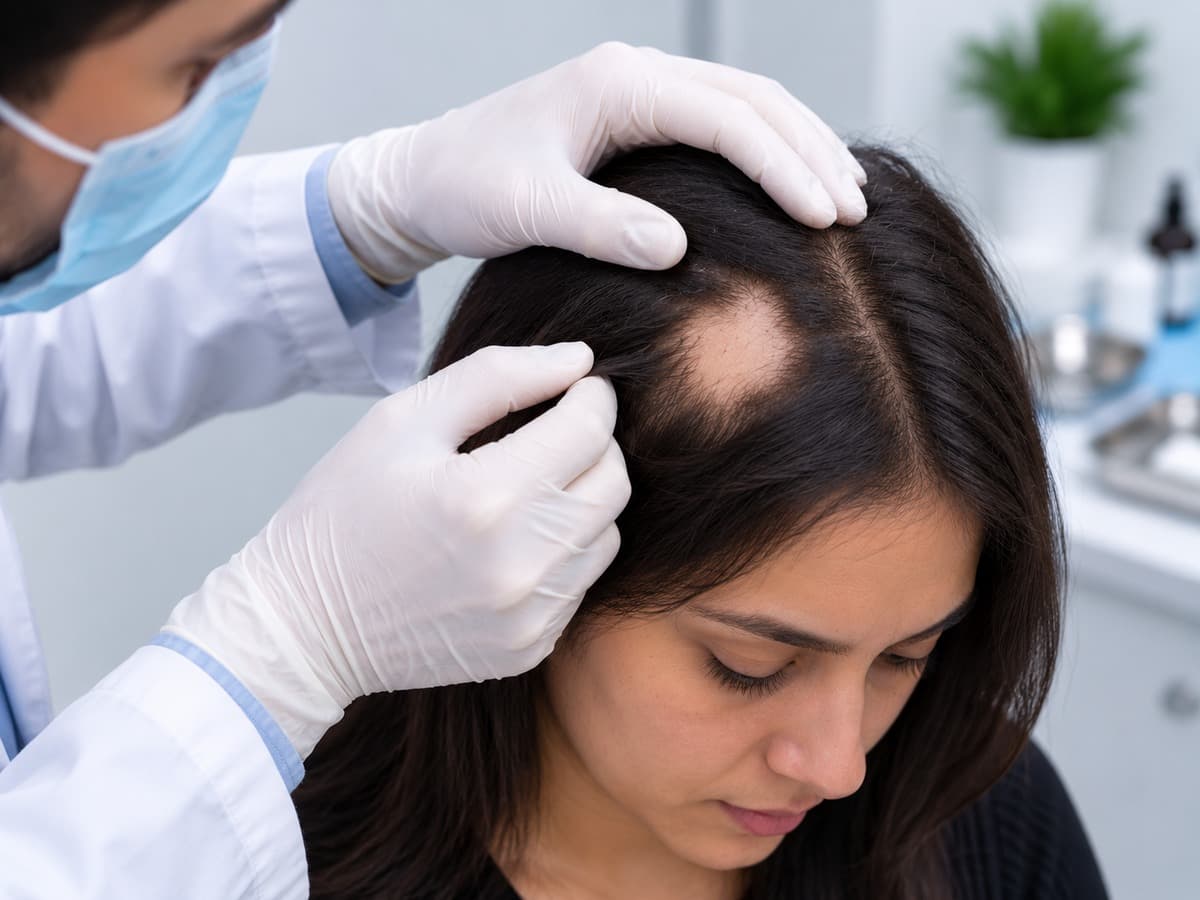
What Alopecia Areata actually involves
Alopecia areata typically appears as sudden, well-defined patches of hair loss on the scalp or beard. It behaves very differently from pattern hair loss, and it is treated differently.
It is important to understand that this is a medical condition being managed, not a cosmetic procedure. Hair can regrow, patches can recur, and the course varies considerably between patients — which is why honest expectation-setting matters here more than anywhere else.
It also matters for transplant planning: a hair transplant is not the treatment for active alopecia areata, and the condition needs to be assessed and managed first. The treatment approach is subject to doctor approval.
Who this is — and isn't — the right choice for
We would rather turn down an unsuitable case than sell a procedure that cannot deliver what you want.
A good fit if
- Sudden, patchy hair loss on the scalp or beard
- Patients who want the condition assessed rather than guessed at
- Anyone considering a transplant who has patchy loss that has not been assessed
Not the right call if
- Patients expecting a guaranteed or permanent outcome — the course of the condition varies
- Anyone seeking a transplant into an area with active, untreated alopecia areata
- Cases that need referral to a specialist for wider medical management
How the procedure runs
No stage of this is a surprise on the day — here is the full sequence.
- 01
Assessment
The pattern and extent of loss are examined, and the condition is distinguished from other causes of patchy loss.
- 02
Treatment plan
A management approach is recommended based on your presentation, with realistic expectations set upfront.
- 03
Treatment
Treatment is started as planned by the doctor, along with any at-home instructions.
- 04
Monitoring
Response is monitored over time and the approach adjusted, since the condition can change course.
What the period after treatment looks like
Including the stages most clinics gloss over. Exact timings vary between patients — yours are confirmed by the clinic before you go ahead.
During treatment
You will be told what to expect from each stage, along with any restrictions.
Early response
Response varies. Some patients see regrowth in the treated patches; others do not respond in the same way.
Ongoing
Patches can recur, so monitoring is part of the plan rather than an optional extra.
Review
The clinic reviews the condition with you and adjusts the approach where needed.
Alopecia Areata questions patients ask
Will my hair grow back?
It can, but the course of alopecia areata varies considerably between patients, and patches can recur. Your doctor will set realistic expectations for your case rather than promise an outcome.
Can I have a transplant into the patches?
A hair transplant is not the treatment for active alopecia areata. The condition needs to be assessed and managed first, and transplant suitability is a separate question after that.
How is it different from pattern hair loss?
Pattern loss is gradual thinning in a recognisable pattern. Alopecia areata typically appears as sudden, well-defined patches, and it is assessed and treated as a distinct condition.
Find out if Alopecia Areata is right for your case
Send your details and the doctor will review your case. You get an assessment of your hair loss and a personalised treatment plan — no obligation to book.
- Reviewed by the doctor, not a call-centre agent
- A quotation for your own treatment plan, not a package price
- Honest answer if you are not a good candidate
Ask about Alopecia Areata
Four details, sent on WhatsApp. The doctor reviews your case. No obligation.
Often considered alongside this
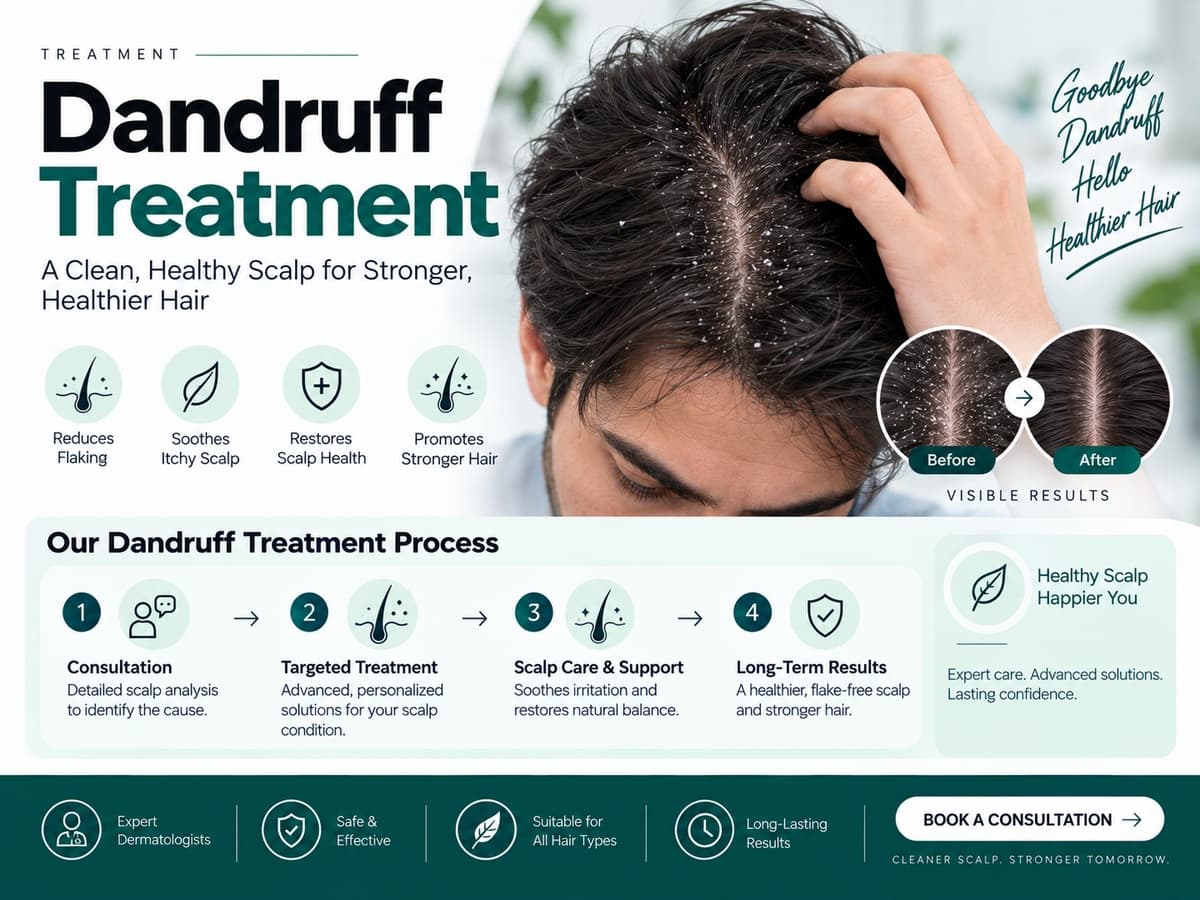
Dandruff Treatment
Scalp assessment and treatment for dandruff, flaking and the itching and irritation that come with it.
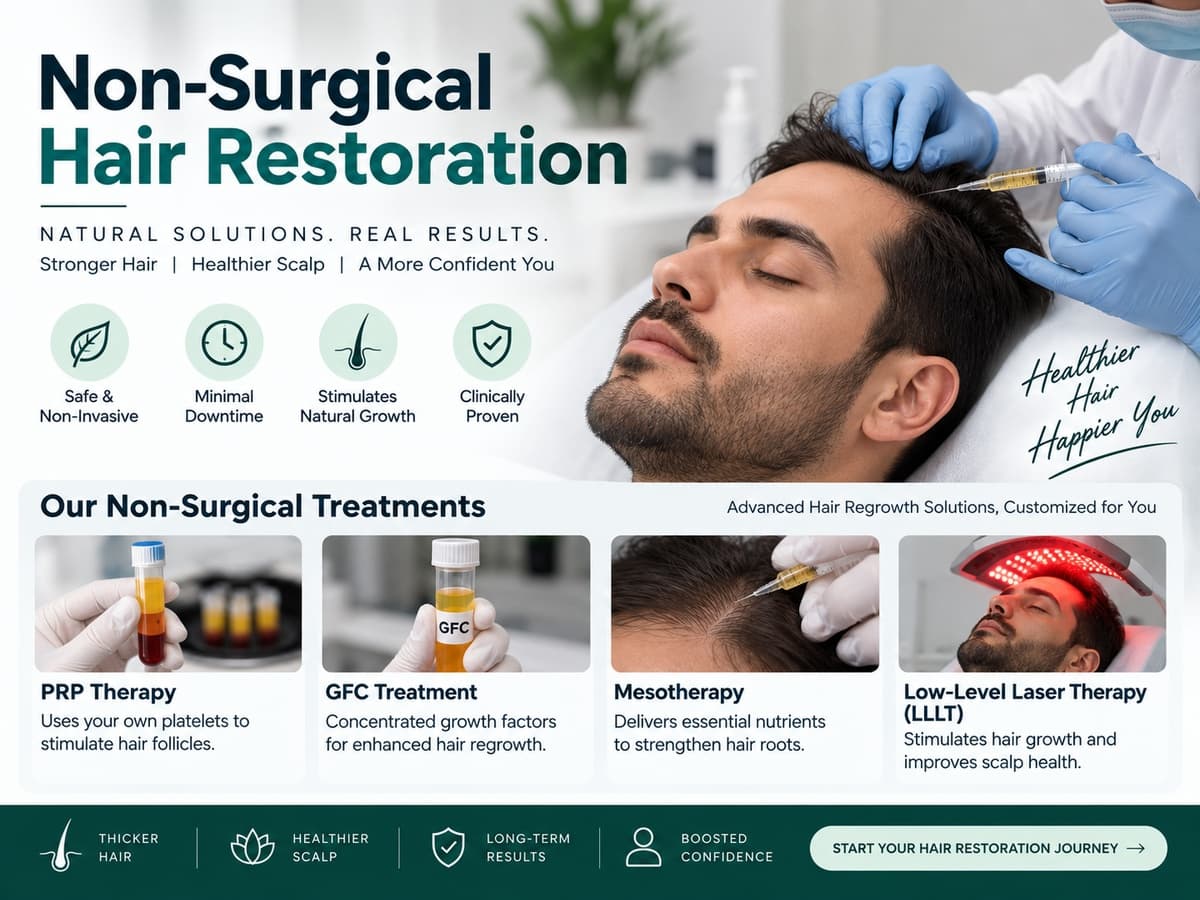
Non-Surgical Hair Restoration
Non-surgical options for thinning hair, planned around the cause and the stage of your hair loss.

Hair Replacement & Wigs
Hair replacement systems and wigs — immediate, non-surgical coverage, fitted and maintained for you.