Non-Surgical Hair Restoration
Options that do not involve surgery, for the right cases.
- Type
- Non-surgical
- Suits
- Thinning, early-stage loss
- Plan
- Personalised
- Review
- Ongoing with the clinic
What Non-Surgical Restoration actually involves
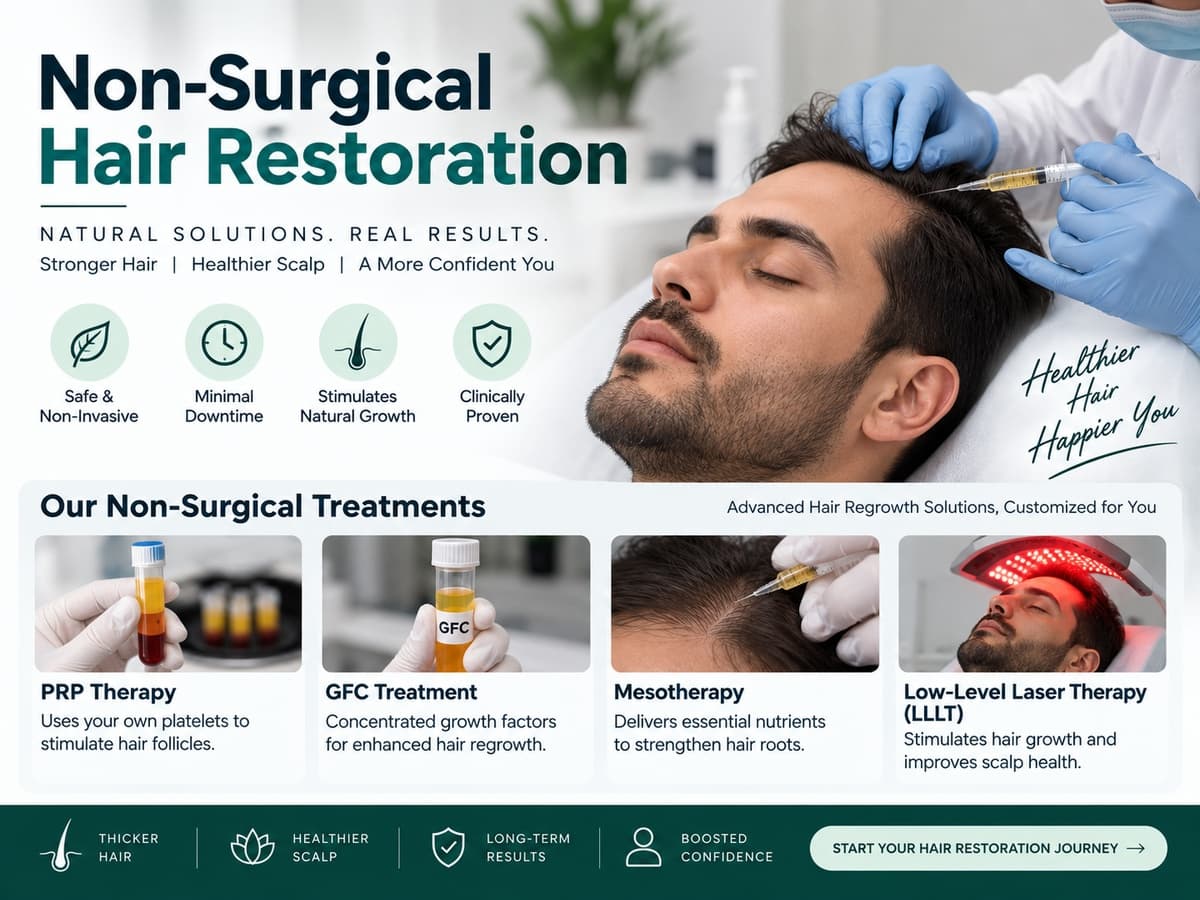
Not everyone who walks in with hair loss needs surgery, and not everyone is a candidate for it. Non-surgical hair restoration covers the treatments used to support and maintain the hair you still have, planned around what is actually causing your loss.
This is usually where an early-stage case starts. It is also what runs alongside a transplant, because a transplant does not stop hair that has not been transplanted from continuing to thin.
The specific combination recommended for you — scalp treatments, topical or oral options where appropriate, and hair and scalp care — is decided at consultation and is subject to doctor approval.
Who this is — and isn't — the right choice for
We would rather turn down an unsuitable case than sell a procedure that cannot deliver what you want.
A good fit if
- Early or moderate thinning where follicles are still present
- Patients who want to try non-surgical options before considering surgery
- Maintaining existing hair alongside or after a transplant
- Patients who are not currently candidates for surgery
Not the right call if
- Fully bald areas where the follicles are no longer present
- Anyone expecting the density a transplant can give
- Patients unwilling to follow an ongoing routine — these options need consistency
How the procedure runs
No stage of this is a surprise on the day — here is the full sequence.
- 01
Assessment
Your hair, scalp and pattern of loss are assessed, along with the likely underlying cause.
- 02
Plan
A combination of treatments is recommended based on the stage and cause of your hair loss.
- 03
Treatment
In-clinic sessions and any at-home routine are started, with instructions you can actually follow.
- 04
Review
Progress is reviewed with the clinic and the plan adjusted based on how your hair responds.
What the period after treatment looks like
Including the stages most clinics gloss over. Exact timings vary between patients — yours are confirmed by the clinic before you go ahead.
During treatment
Most non-surgical options involve little or no downtime. Any restrictions are explained per session.
Early weeks
Changes are gradual. Reduced shedding is often the first thing patients notice.
Ongoing
Consistency matters more than intensity — results depend on staying with the plan.
Review
The clinic reviews progress and adjusts the plan as needed.
Non-Surgical Restoration questions patients ask
Can non-surgical treatment replace a transplant?
Not for areas that are already bald. It is used to support and maintain existing hair, which is a different job from restoring hair to an area where the follicles are gone.
How long do I need to keep it up?
These are ongoing treatments rather than one-time fixes. The clinic will explain what stopping would mean for your case.
Can I do this alongside a transplant?
Often yes — it is a common part of a plan, because a transplant does not prevent untransplanted hair from thinning further.
Find out if Non-Surgical Restoration is right for your case
Send your details and the doctor will review your case. You get an assessment of your hair loss and a personalised treatment plan — no obligation to book.
- Reviewed by the doctor, not a call-centre agent
- A quotation for your own treatment plan, not a package price
- Honest answer if you are not a good candidate
Ask about Non-Surgical Restoration
Four details, sent on WhatsApp. The doctor reviews your case. No obligation.
Often considered alongside this
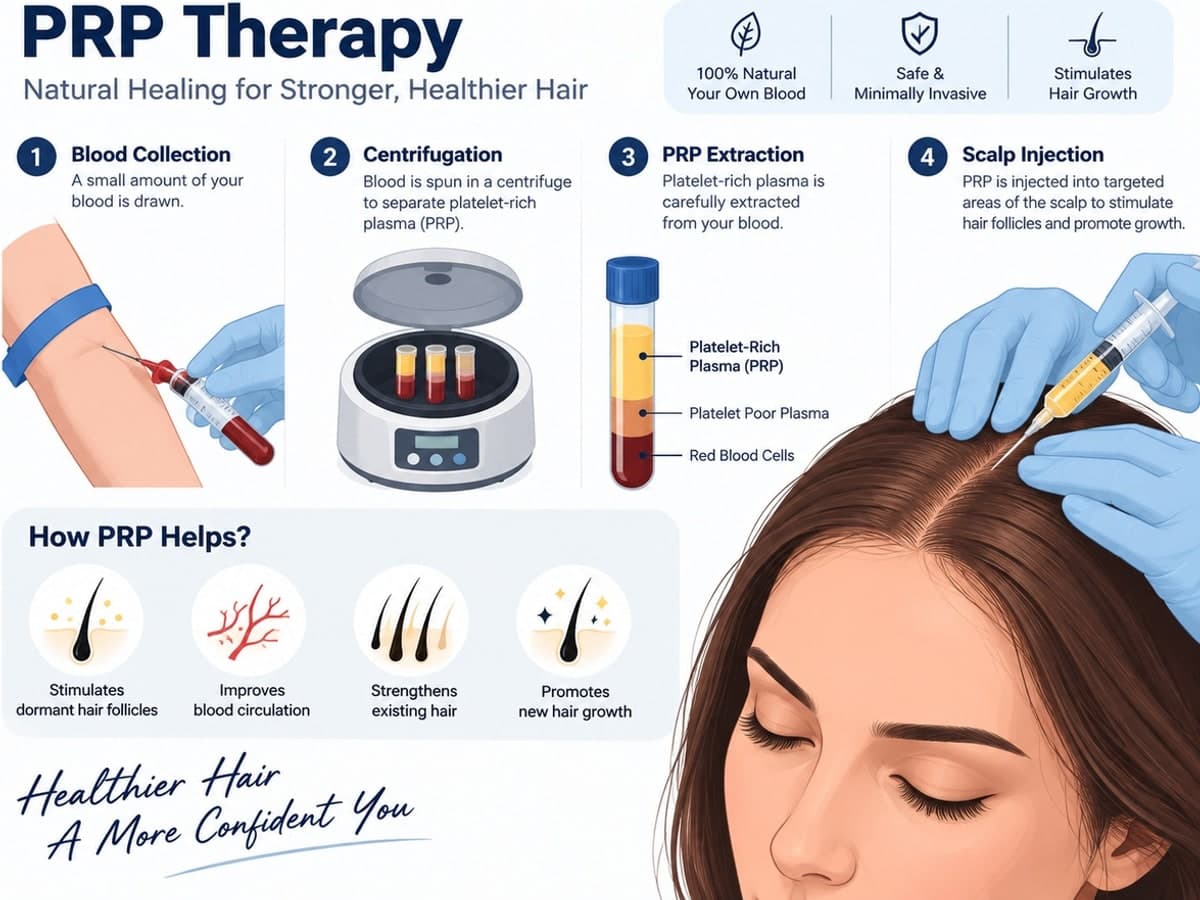
PRP Therapy
Non-surgical scalp treatment using platelet-rich plasma prepared from your own blood.
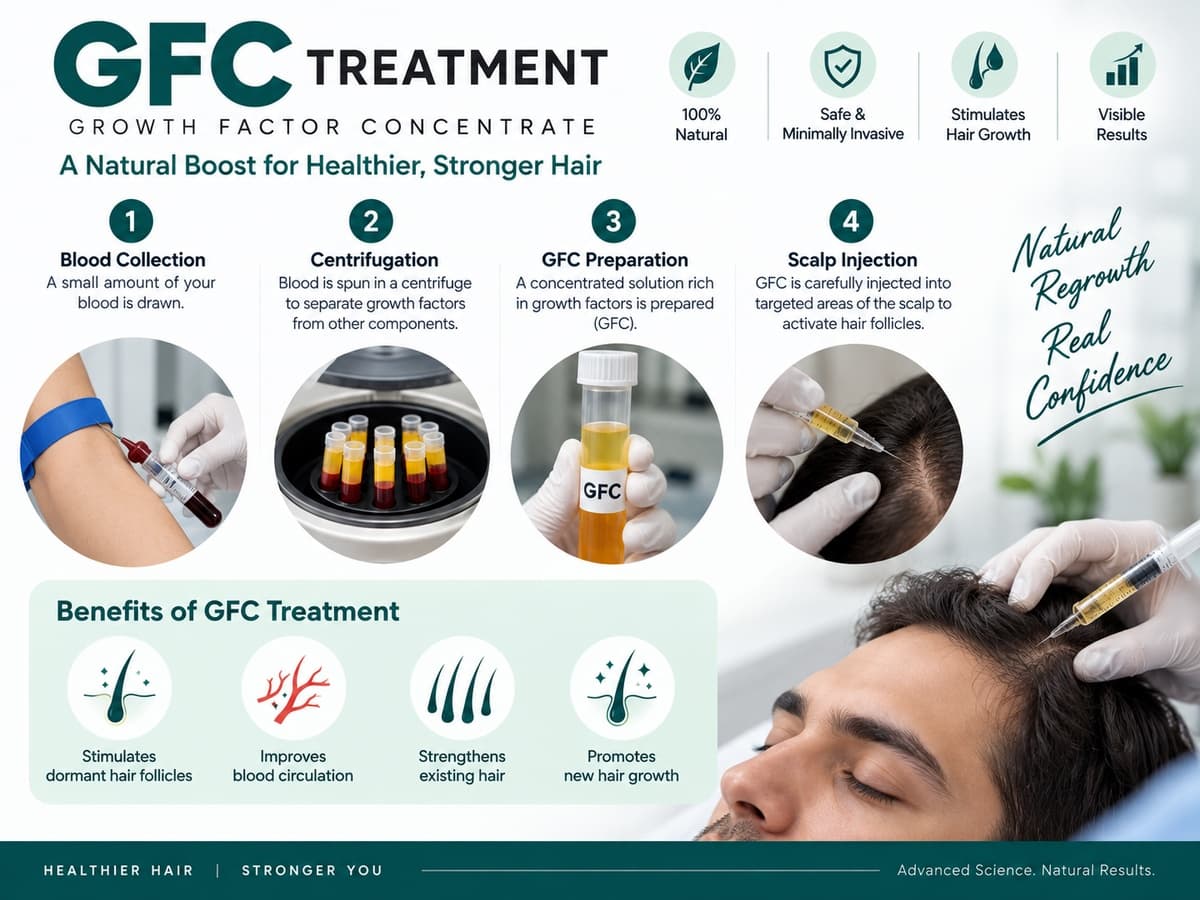
GFC Therapy
Growth Factor Concentrate — a non-surgical scalp treatment prepared from your own blood sample.
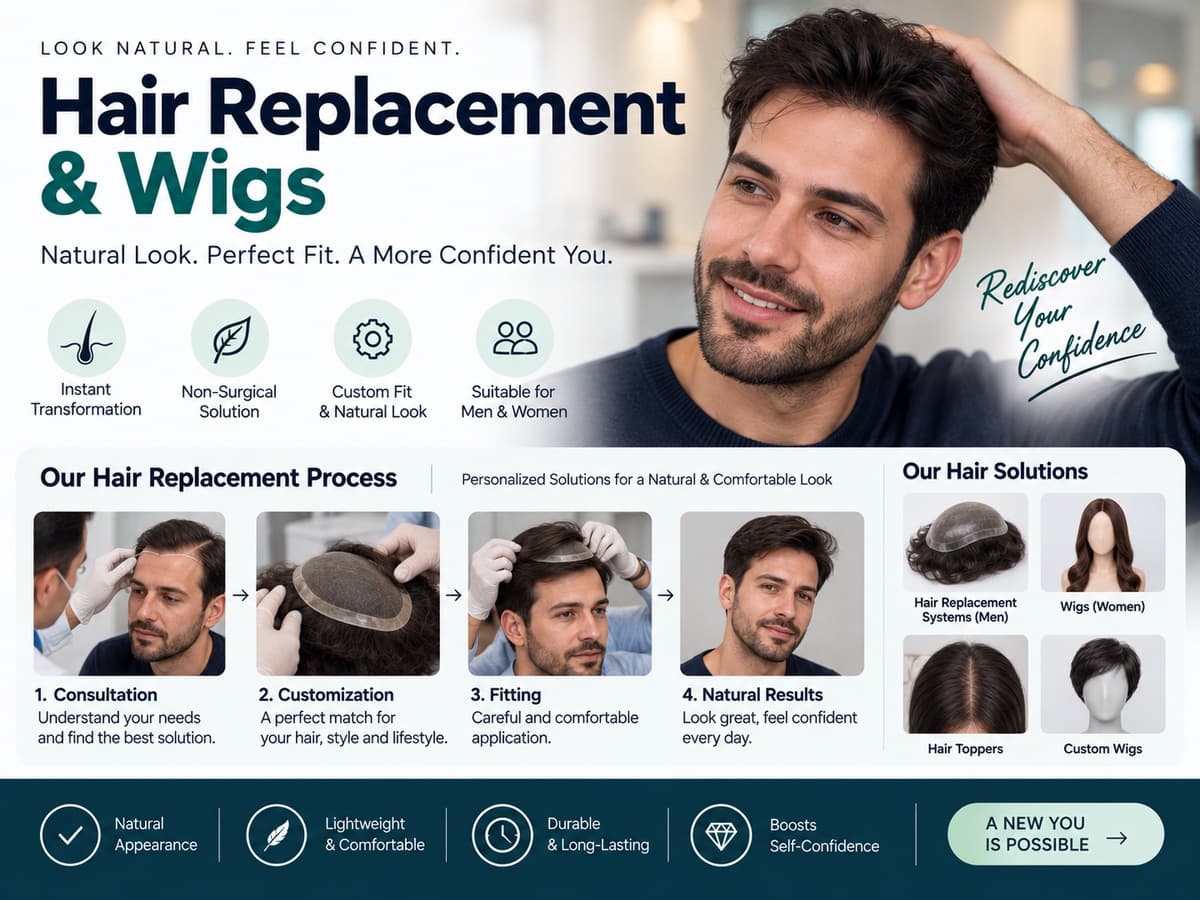
Hair Replacement & Wigs
Hair replacement systems and wigs — immediate, non-surgical coverage, fitted and maintained for you.