Beard Transplant
Permanent facial hair restoration for beard density and shape.
- Type
- Surgical
- Anaesthesia
- Local
- Graft requirement
- Assessed at consultation
- Areas
- Cheeks, jaw, goatee, sideburns
What Beard Transplant actually involves
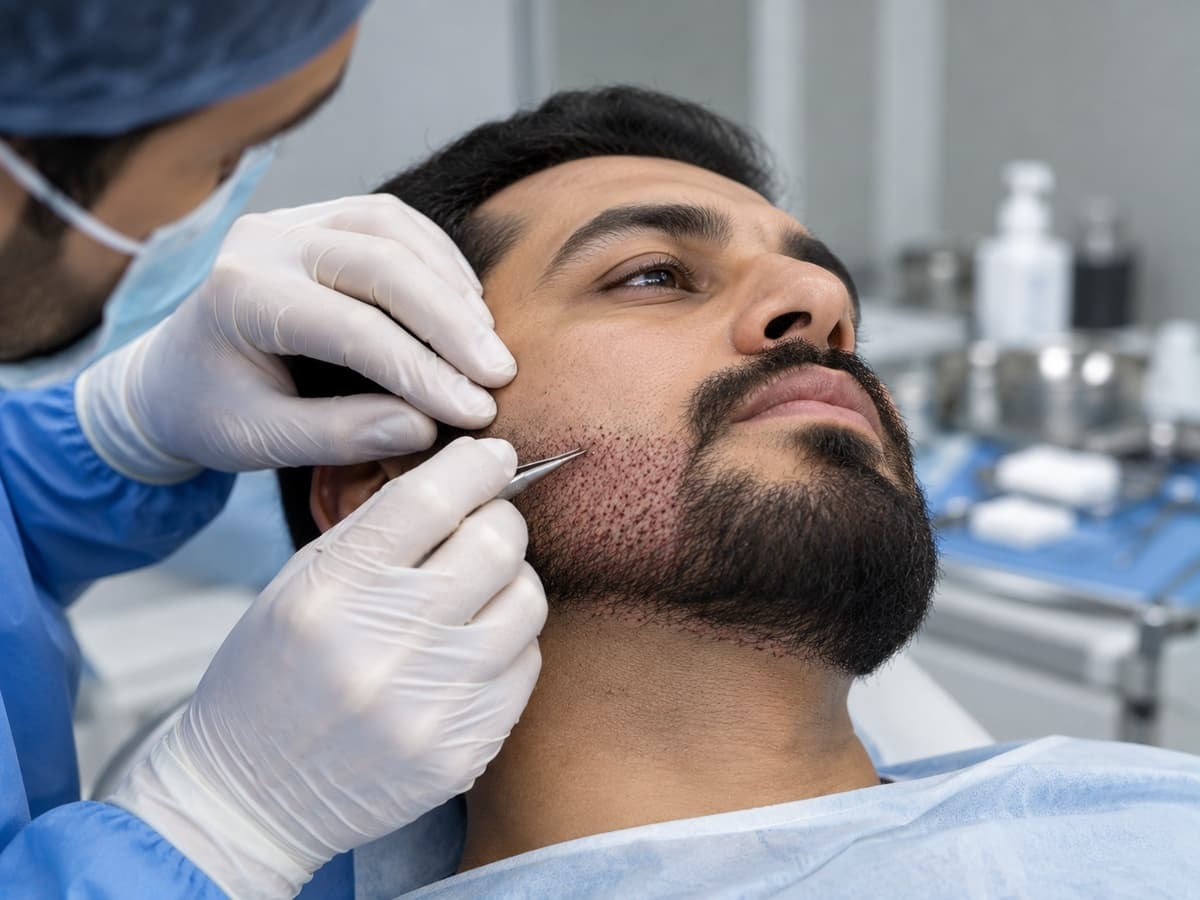
Beard restoration moves follicular units from the scalp donor area into the cheeks, jawline, goatee or sideburns, to add density where beard growth is patchy or absent.
Angle matters more here than almost anywhere else. Beard hair leaves the skin at a much flatter angle than scalp hair, so sites are created accordingly — that is what makes the difference between hair that lies flat and hair that stands away from the face.
Most beard work uses single-hair grafts to keep the edge of the beard looking natural rather than drawn on, which is why graft counts can be higher than the treated area suggests.
Who this is — and isn't — the right choice for
We would rather turn down an unsuitable case than sell a procedure that cannot deliver what you want.
A good fit if
- Patchy or uneven beard growth
- Scarring from acne, injury or surgery that no longer grows hair
- Defining a jawline or connecting a patchy goatee
- Patients with a scalp donor area that can spare the grafts
Not the right call if
- Younger patients whose beard may still be filling in naturally
- Active skin conditions in the area to be treated
- Limited donor supply that is better reserved for scalp hair loss
How the procedure runs
No stage of this is a surprise on the day — here is the full sequence.
- 01
Design
The beard line and density map are drawn on and agreed with you before extraction begins.
- 02
Donor selection
Grafts are taken from the part of the scalp donor area that best matches your facial hair.
- 03
Site creation
Sites are created at the flat angle beard hair naturally follows, so hairs lie against the face.
- 04
Implantation
Grafts are placed to build an irregular, natural-looking edge rather than a hard line.
What the period after treatment looks like
Including the stages most clinics gloss over. Exact timings vary between patients — yours are confirmed by the clinic before you go ahead.
Immediately after
Small crusts form around each graft and are visible on the face. Most patients plan for this.
Early healing
Crusts settle with the washing routine the clinic gives you. Shaving is not permitted yet.
Shedding phase
Transplanted hairs shed before regrowing. The clinic will confirm when you can shave again.
Regrowth
Growth returns gradually and can be trimmed and shaped as it comes in.
Beard Transplant questions patients ask
Can I shave normally afterwards?
Yes, once the clinic confirms healing is complete. From then the transplanted beard behaves like the rest of your facial hair and needs regular trimming.
Will it match my existing beard?
Grafts are chosen to match your facial hair as closely as possible. Scalp hair is typically slightly finer than beard hair, so the match is close but not always identical on very close inspection.
Does it use up scalp donor hair?
Yes. If you also have scalp hair loss, both are planned together so beard work does not consume donor supply you may need later.
Find out if Beard Transplant is right for your case
Send your details and the doctor will review your case. You get an assessment of your hair loss and a personalised treatment plan — no obligation to book.
- Reviewed by the doctor, not a call-centre agent
- A quotation for your own treatment plan, not a package price
- Honest answer if you are not a good candidate
Ask about Beard Transplant
Four details, sent on WhatsApp. The doctor reviews your case. No obligation.
Often considered alongside this
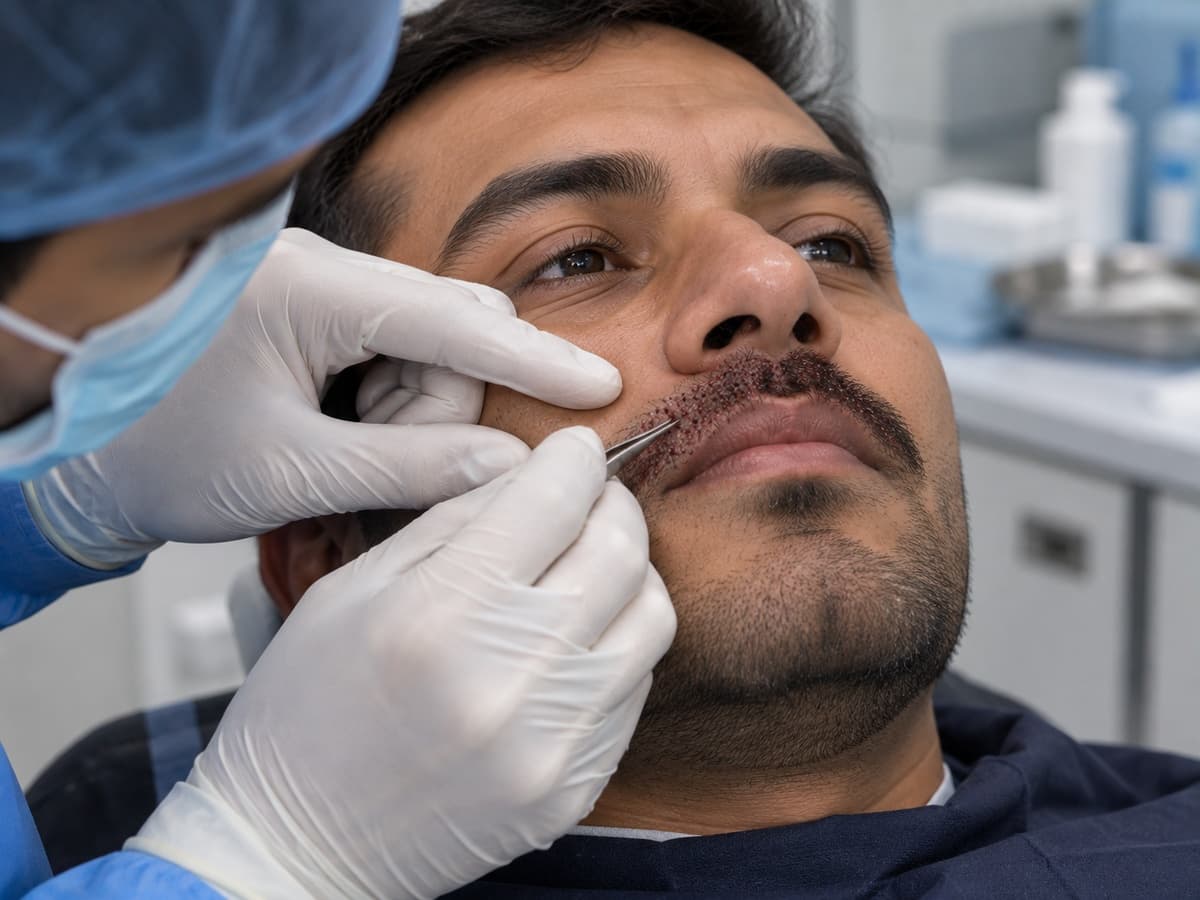
Moustache Transplant
Restoring moustache density and shape with single-hair grafts placed at natural angles.
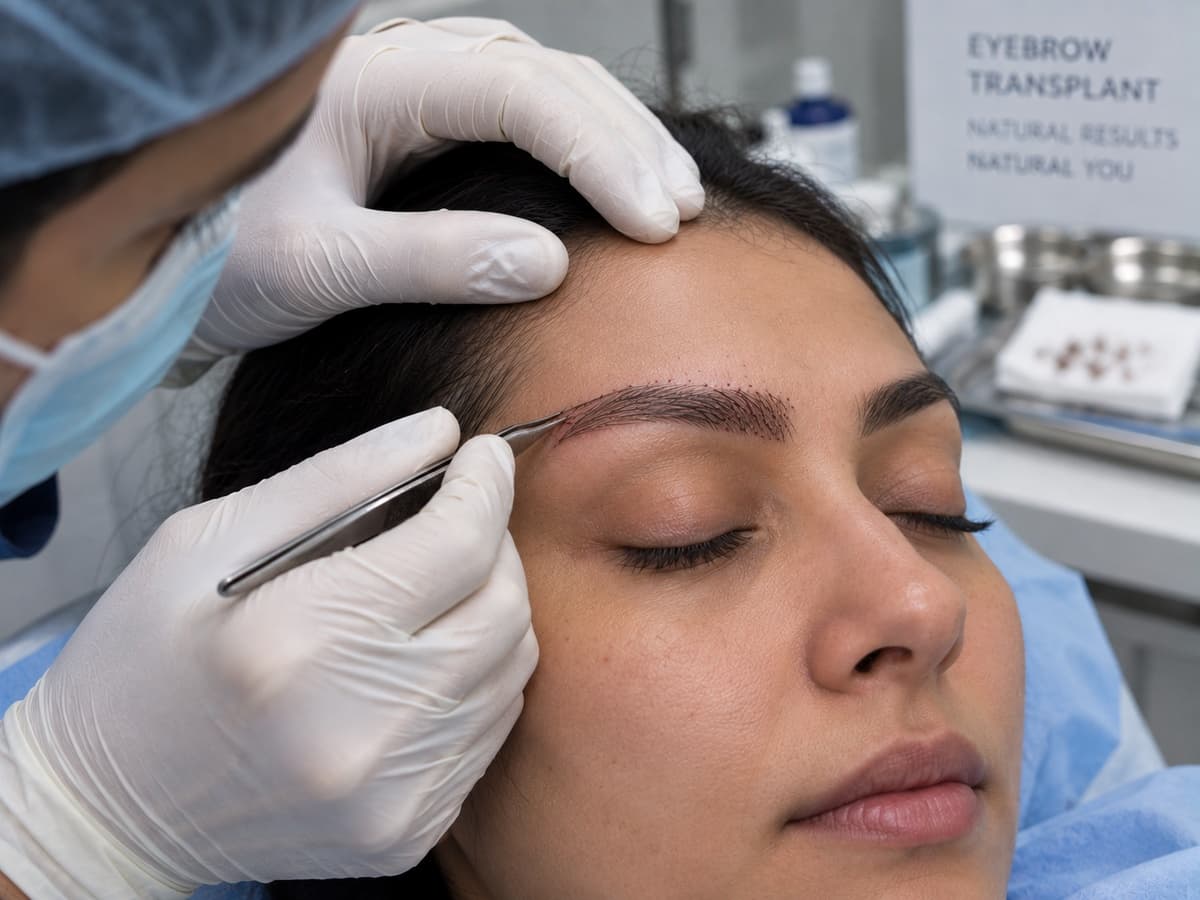
Eyebrow Transplant
Eyebrow restoration for suitable cases — single-hair grafting at the angles brow hair naturally follows.
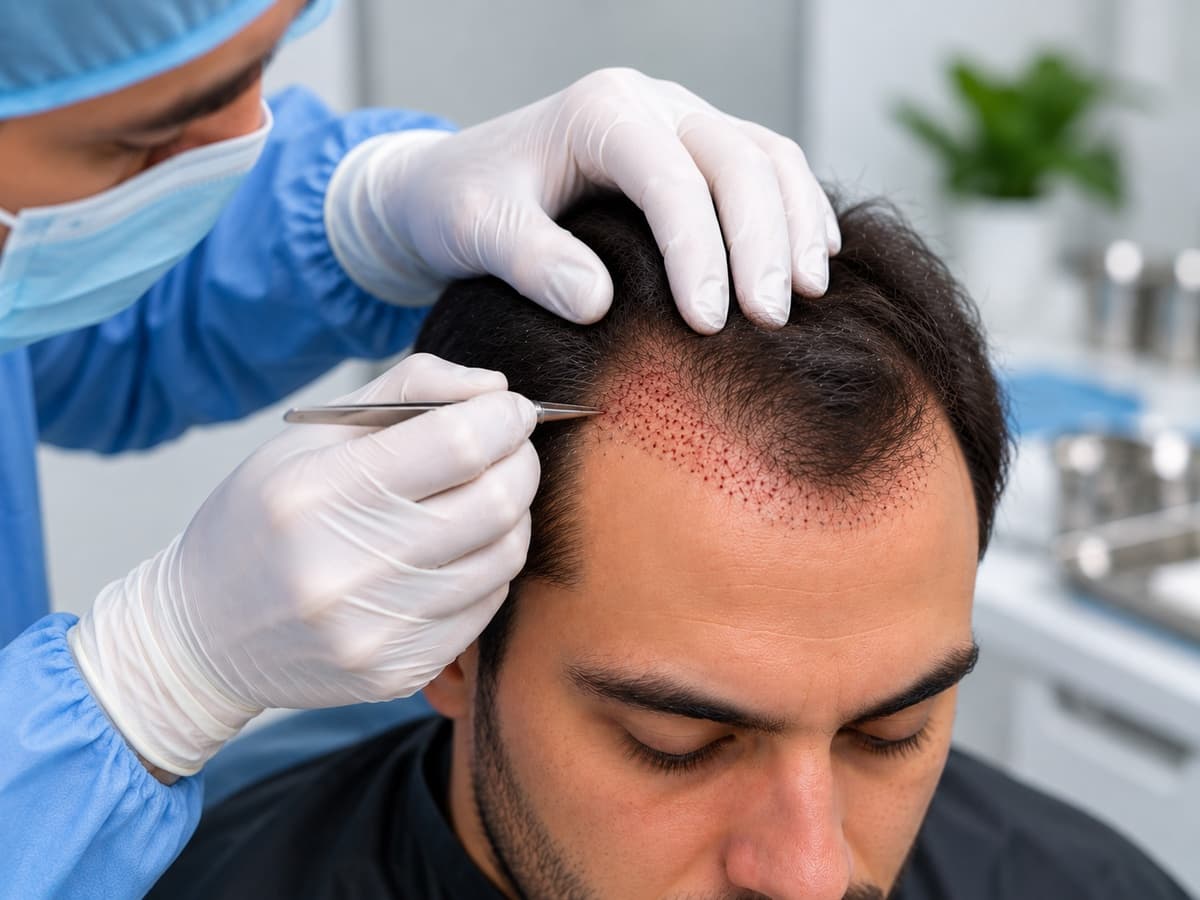
FUE Hair Transplant
Advanced Follicular Unit Extraction — individual grafts harvested from your donor area and placed where hair has thinned.