
Moustache Transplant
Density and shape for a patchy or thin moustache.
- Type
- Surgical
- Anaesthesia
- Local
- Graft requirement
- Assessed at consultation
- Placement
- Single-hair grafts
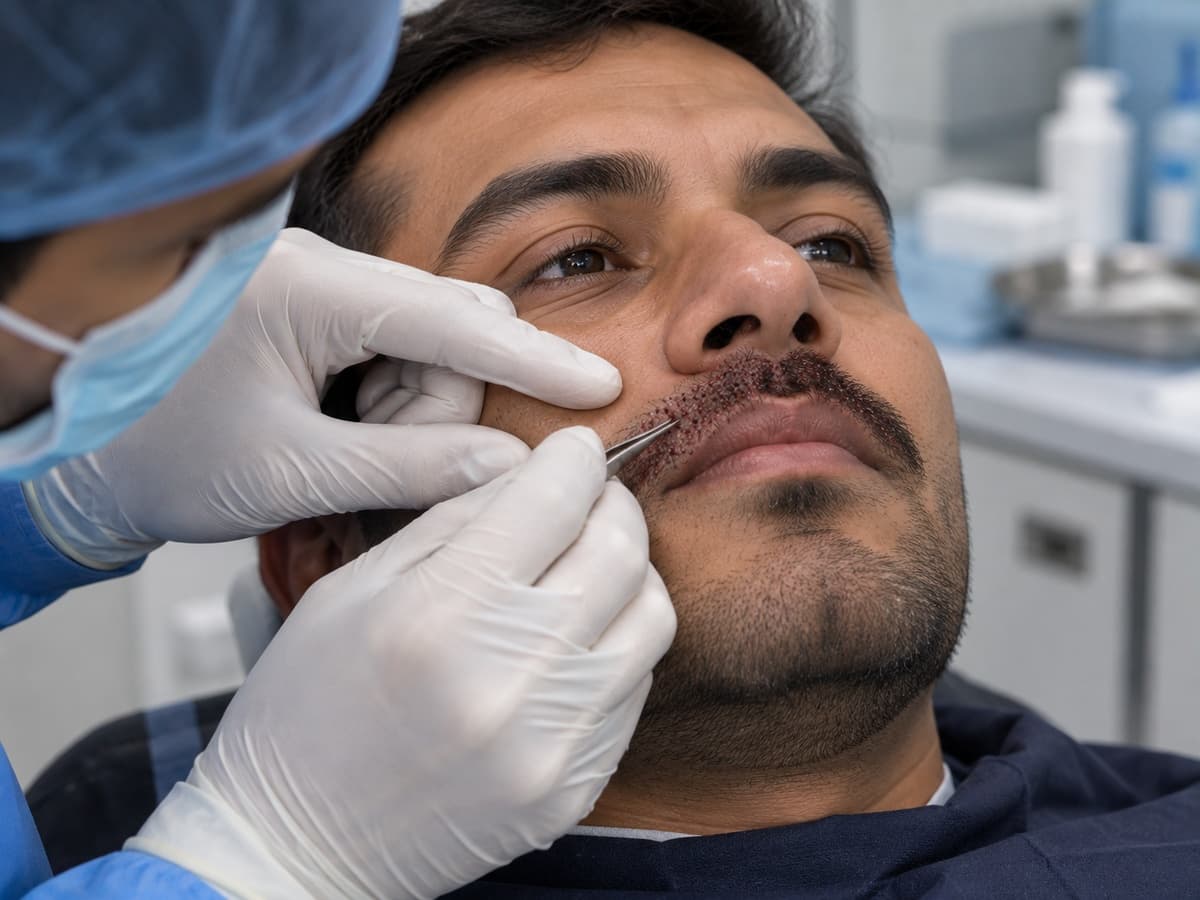
What Moustache Transplant actually involves
Moustache restoration adds density to the upper lip area using follicular units taken from the scalp donor area. It suits patients whose moustache grows unevenly, thinly, or not at all in places.
The upper lip is a small, mobile and sensitive area, so the work is precise and almost entirely single-hair. Direction is planned to follow the natural outward and downward flow of moustache hair.
It can be planned on its own or combined with beard restoration where both areas need work.
Who this is — and isn't — the right choice for
We would rather turn down an unsuitable case than sell a procedure that cannot deliver what you want.
A good fit if
- A patchy, thin or uneven moustache
- Scarring on the upper lip that no longer grows hair
- Patients combining moustache and beard restoration in one plan
Not the right call if
- Younger patients whose facial hair is still developing
- Active skin conditions on the upper lip
- Limited scalp donor supply needed for scalp hair loss
How the procedure runs
No stage of this is a surprise on the day — here is the full sequence.
- 01
Design
The shape, edges and density of the moustache are drawn on and agreed with you.
- 02
Donor selection
Grafts are selected from the scalp donor area to match the character of your facial hair.
- 03
Site creation
Sites are created at the flat, outward angle that moustache hair naturally follows.
- 04
Implantation
Single-hair grafts are placed to build a natural edge and even density across the area.
What the period after treatment looks like
Including the stages most clinics gloss over. Exact timings vary between patients — yours are confirmed by the clinic before you go ahead.
Immediately after
Small crusts and mild swelling around the upper lip are normal. Aftercare instructions are given before you leave.
Early healing
Crusts settle with the washing routine the clinic provides. Shaving the area is not permitted yet.
Shedding phase
Transplanted hairs shed before regrowth begins, as they do anywhere else.
Regrowth
Growth returns gradually and can be trimmed and shaped once the clinic clears it.
Moustache Transplant questions patients ask
Can it be combined with a beard transplant?
Yes — moustache and beard areas are often planned together in a single treatment plan, which is usually the more efficient use of donor hair.
Will the hair need trimming?
Yes. Transplanted hair keeps the growth behaviour of scalp hair, so it will keep growing and needs regular trimming.
Is eating and talking affected afterwards?
The upper lip is mobile, so the clinic will give you specific guidance on eating and care for the first days after the procedure.
Find out if Moustache Transplant is right for your case
Send your details and the doctor will review your case. You get an assessment of your hair loss and a personalised treatment plan — no obligation to book.
- Reviewed by the doctor, not a call-centre agent
- A quotation for your own treatment plan, not a package price
- Honest answer if you are not a good candidate
Ask about Moustache Transplant
Four details, sent on WhatsApp. The doctor reviews your case. No obligation.
Often considered alongside this
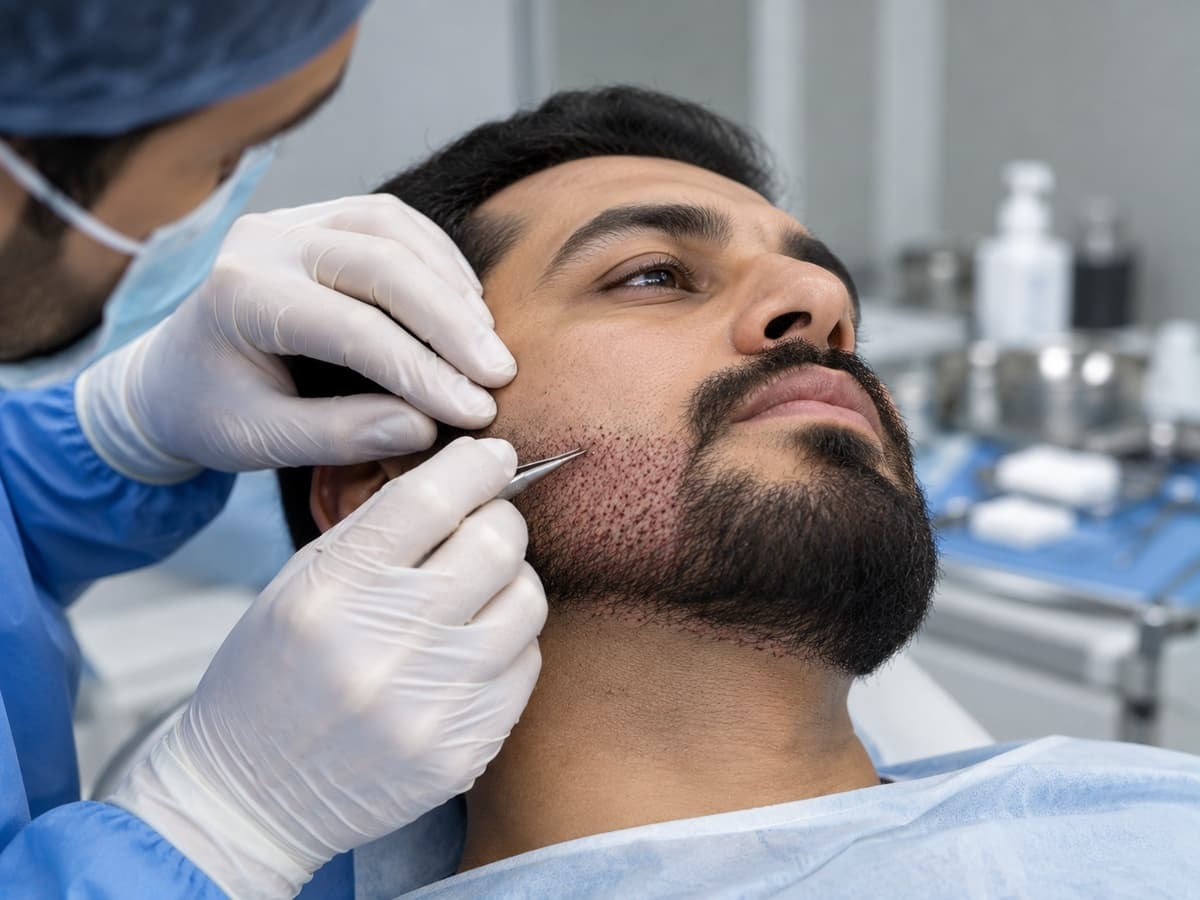
Beard Transplant
Permanent facial hair restoration — filling patchy areas and shaping the beard line with your own hair.
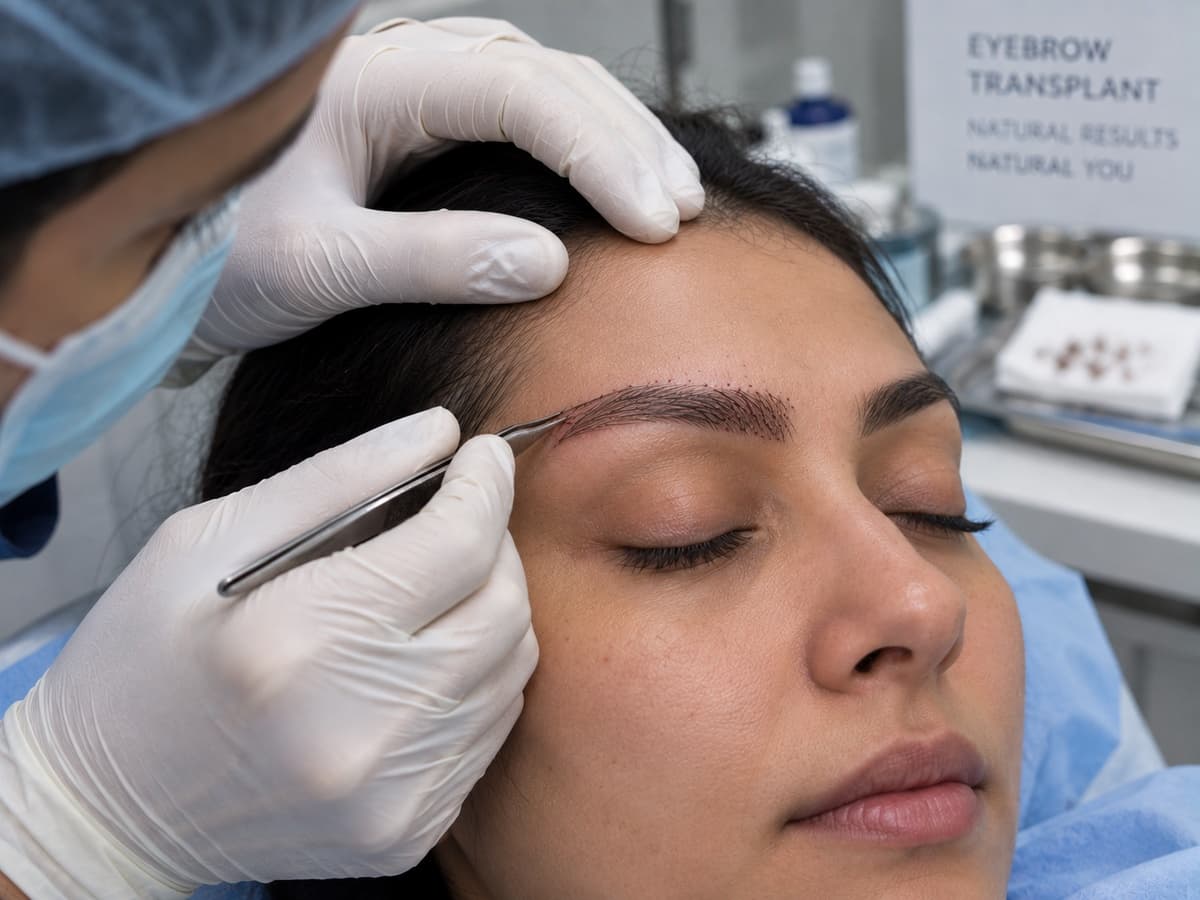
Eyebrow Transplant
Eyebrow restoration for suitable cases — single-hair grafting at the angles brow hair naturally follows.
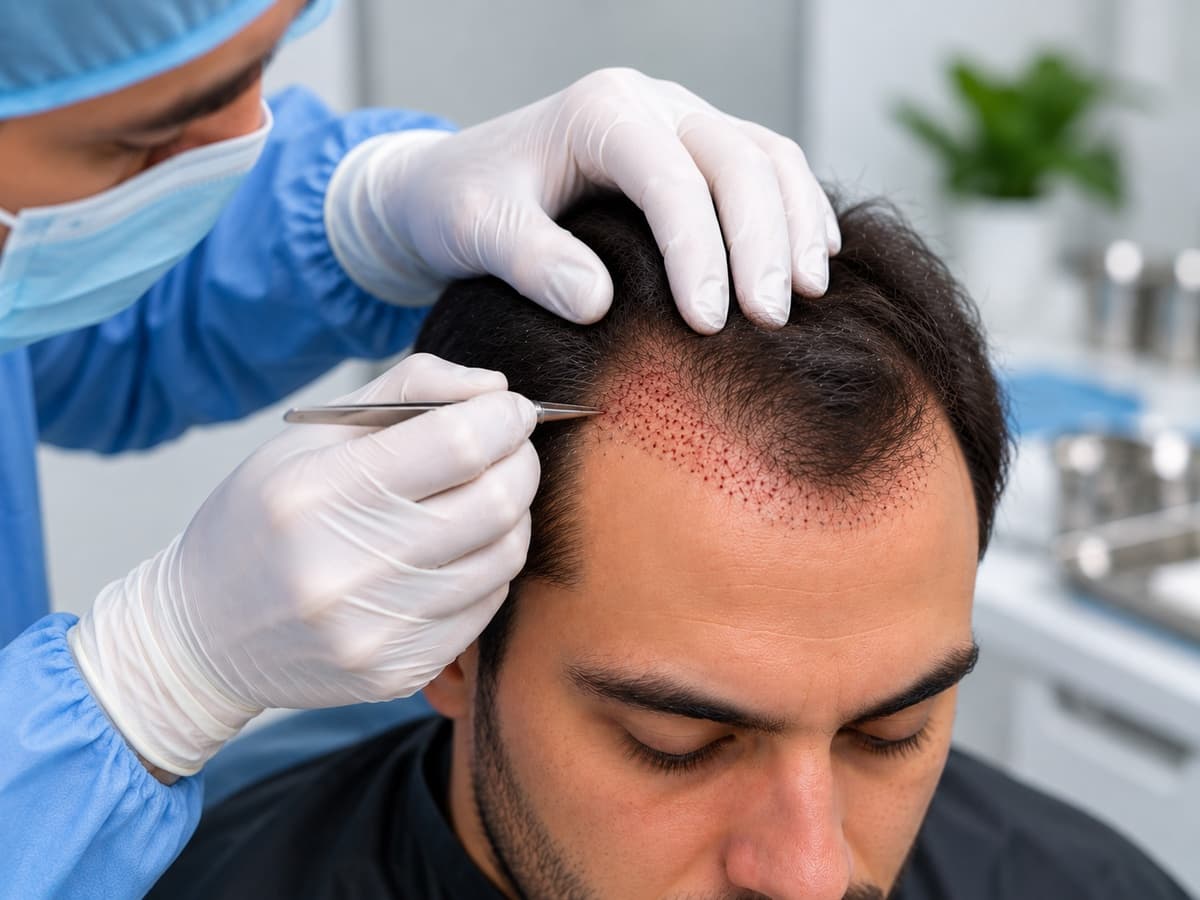
FUE Hair Transplant
Advanced Follicular Unit Extraction — individual grafts harvested from your donor area and placed where hair has thinned.