
Exosome Therapy
A non-surgical scalp treatment that needs no blood draw.
- Type
- Non-surgical
- Anaesthesia
- Topical, where used
- Course
- Assessed at consultation
- Blood draw
- Not required
What Exosome Therapy actually involves
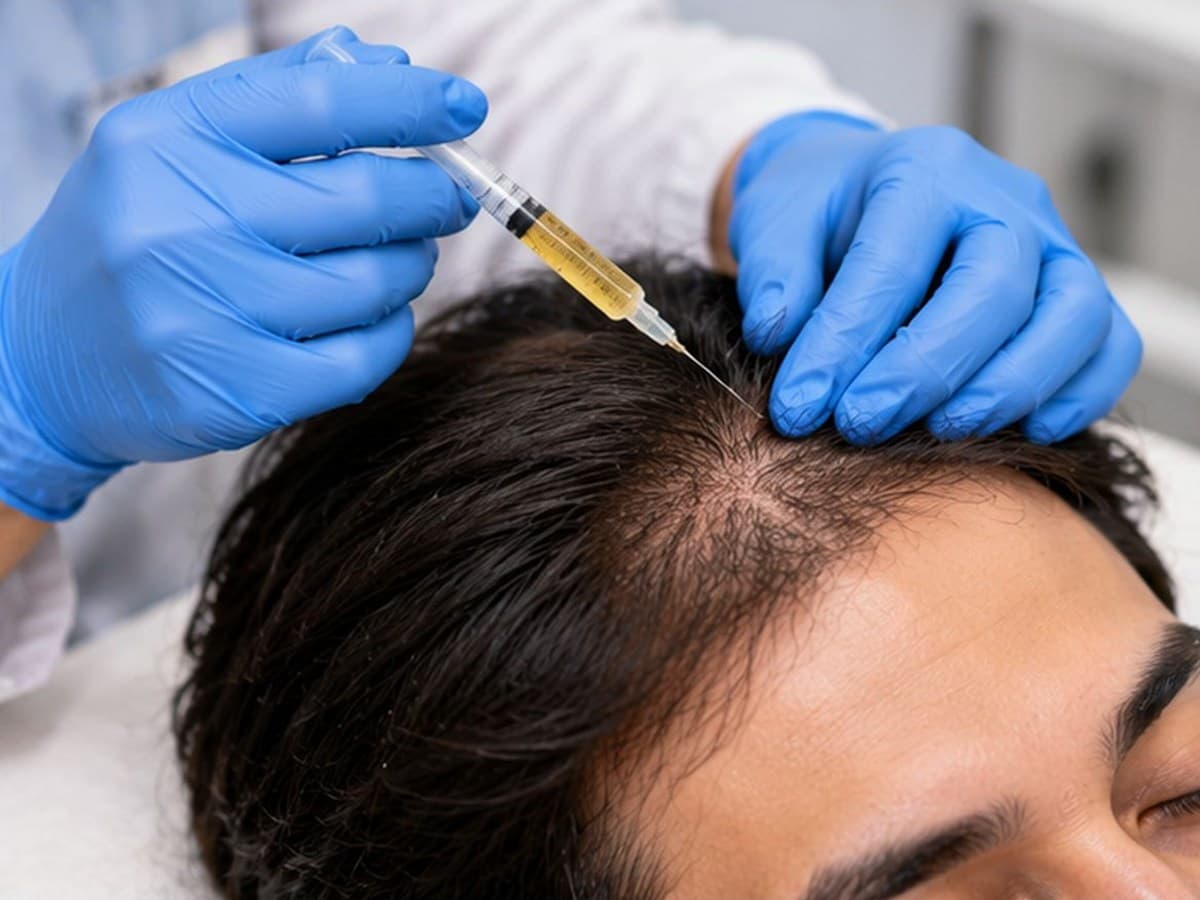
Exosomes are tiny vesicles that cells release to signal to one another. In exosome therapy a prepared exosome product is introduced into the scalp across the area being treated.
The practical difference from PRP and GFC is the source. Those are prepared from your own blood on the day; an exosome treatment uses a prepared product, so there is no blood draw.
It is a newer treatment than PRP or GFC, and the evidence for it is still developing. Like them, it is used to support follicles that are still present, as part of a wider plan — it does not create new follicles in an area that is already bald. Whether it is appropriate for you, and how a course is planned, is decided at consultation. The final clinical description of this treatment is subject to doctor approval.
Who this is — and isn't — the right choice for
We would rather turn down an unsuitable case than sell a procedure that cannot deliver what you want.
A good fit if
- Thinning hair where follicles are present but weakening
- Patients who want a non-surgical option without a blood draw
- Support alongside a hair transplant or other treatment, where the doctor recommends it
Not the right call if
- Areas that are already fully bald — no injectable regrows a lost follicle
- Active infection or untreated skin conditions on the scalp
- Anyone expecting a guaranteed result or a single-session fix
How the procedure runs
No stage of this is a surprise on the day — here is the full sequence.
- 01
Assessment
Your hair, scalp and pattern of loss are assessed to confirm the treatment suits your case.
- 02
Scalp preparation
The treatment area is prepared, with topical numbing where the doctor uses it.
- 03
Treatment
The exosome product is introduced into the scalp across the treatment area.
- 04
Review
Response is reviewed with the clinic and any further sessions are planned from there.
What the period after treatment looks like
Including the stages most clinics gloss over. Exact timings vary between patients — yours are confirmed by the clinic before you go ahead.
Same day
Mild tenderness or redness is common. Aftercare instructions are given before you leave.
First days
The clinic confirms what to avoid for a short period after the session.
Across the course
Any further sessions follow at the intervals planned for your case.
Ongoing
Any maintenance schedule is agreed with the doctor based on how your scalp responds.
Exosome Therapy questions patients ask
How is it different from PRP and GFC?
PRP and GFC are prepared from your own blood sample. Exosome therapy uses a prepared product instead, so no blood is drawn. All three are supportive scalp treatments, and which one fits your case is a decision for your consultation.
Will it regrow hair on a bald area?
No. It is used to support follicles that are still present. Where the follicles are gone, only transplantation restores hair to that spot.
Can it be combined with a transplant?
Where the doctor recommends it, yes — supportive scalp treatments are often planned alongside a transplant rather than instead of one.
Find out if Exosome Therapy is right for your case
Send your details and the doctor will review your case. You get an assessment of your hair loss and a personalised treatment plan — no obligation to book.
- Reviewed by the doctor, not a call-centre agent
- A quotation for your own treatment plan, not a package price
- Honest answer if you are not a good candidate
Ask about Exosome Therapy
Four details, sent on WhatsApp. The doctor reviews your case. No obligation.
Often considered alongside this
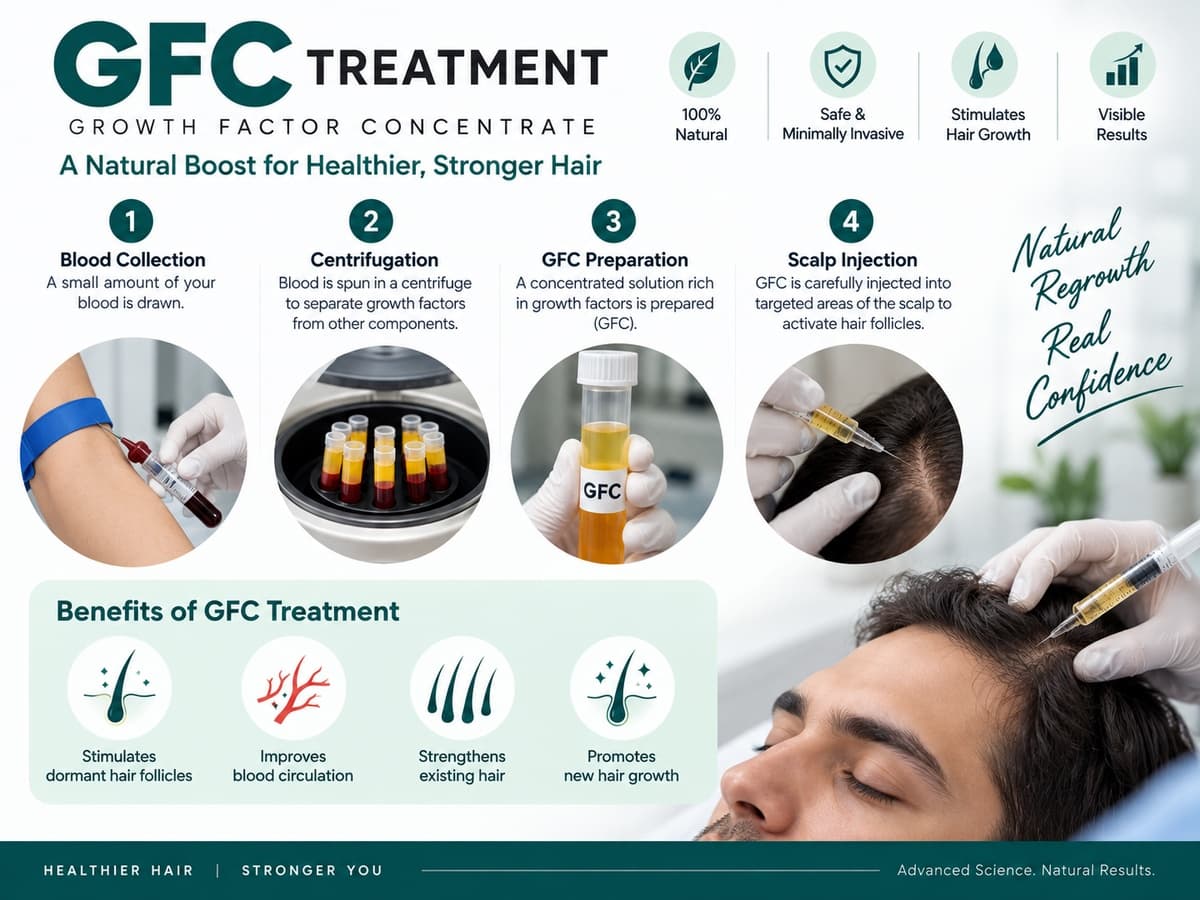
GFC Therapy
Growth Factor Concentrate — a non-surgical scalp treatment prepared from your own blood sample.
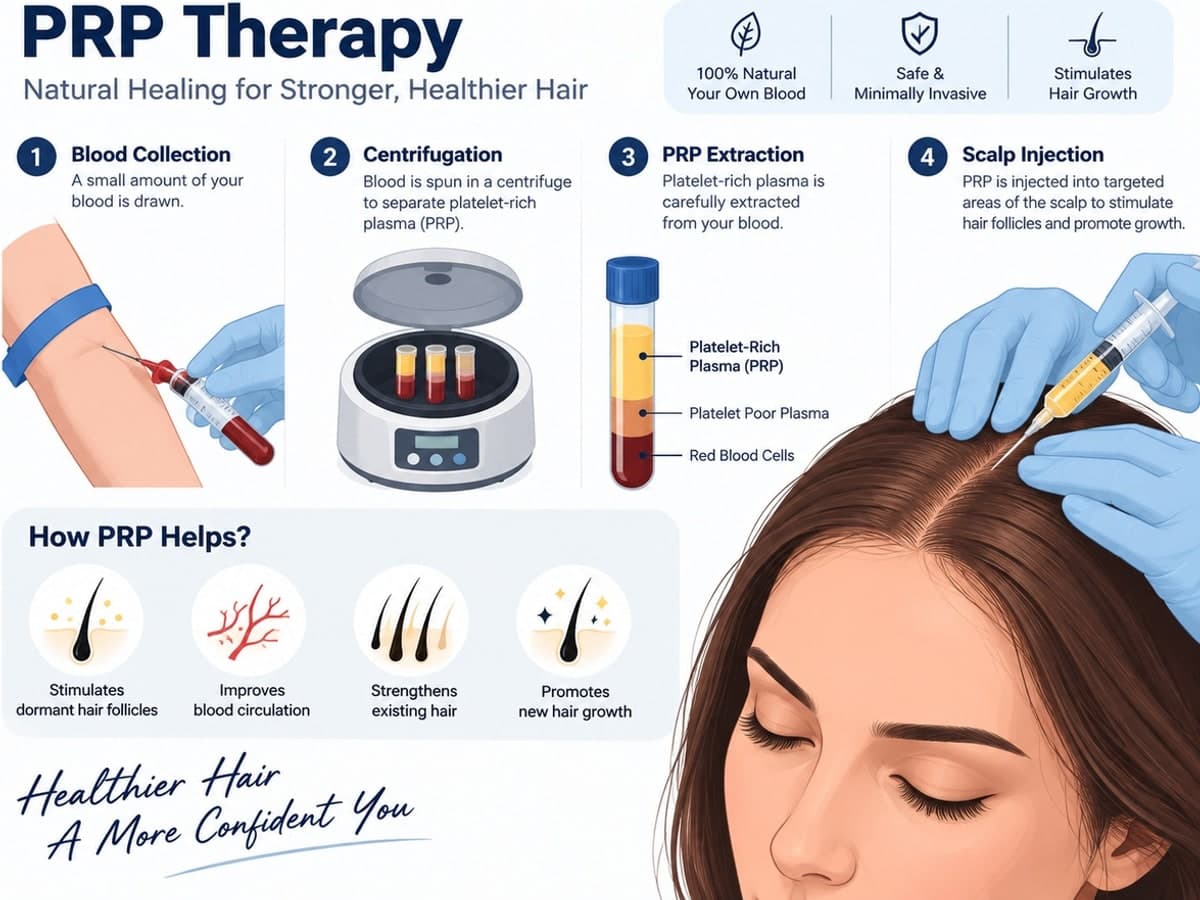
PRP Therapy
Non-surgical scalp treatment using platelet-rich plasma prepared from your own blood.

Non-Surgical Hair Restoration
Non-surgical options for thinning hair, planned around the cause and the stage of your hair loss.