
Female Hair Transplant
Hair restoration planned around female patterns of thinning.
- Type
- Surgical
- Anaesthesia
- Local
- Graft requirement
- Assessed at consultation
- Assessment
- Cause investigated first
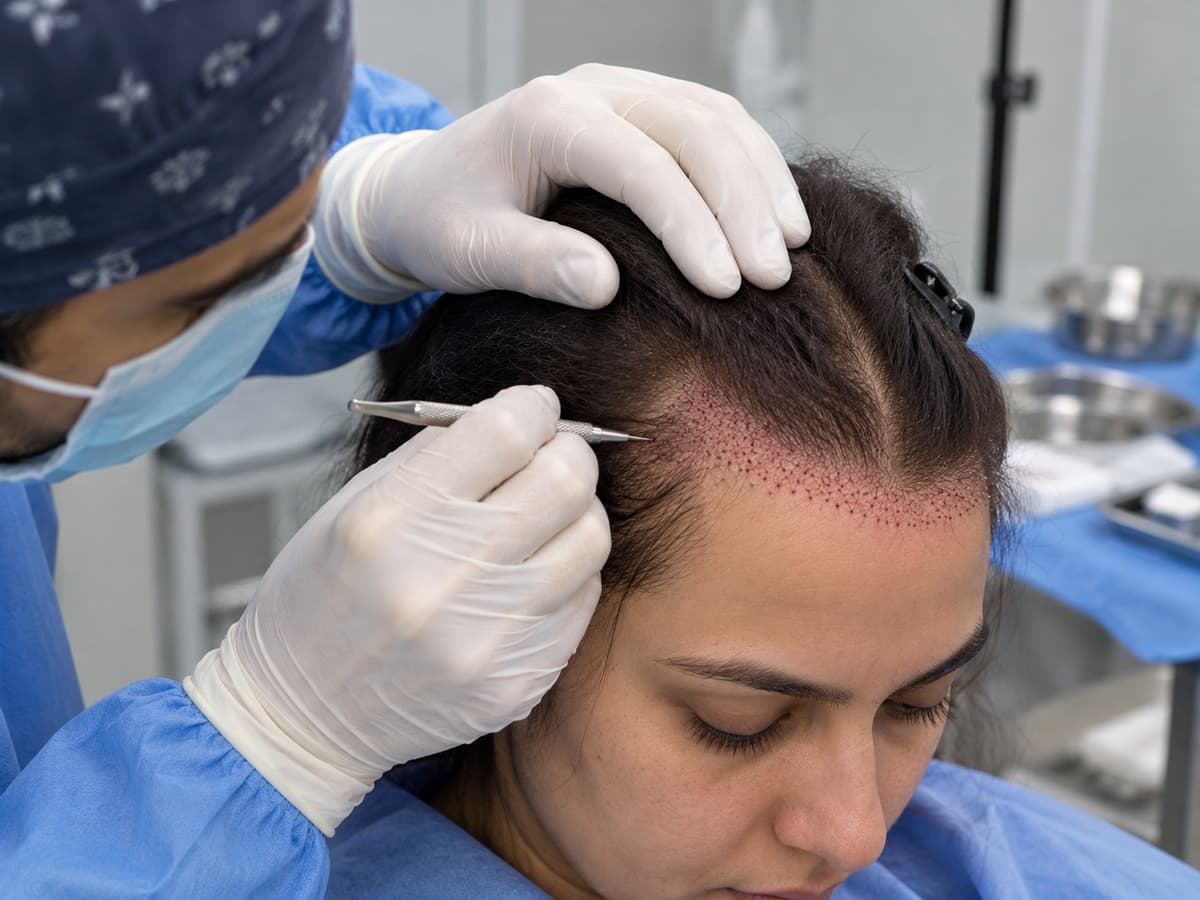
What Female Hair Transplant actually involves
Hair loss in women often presents differently from male pattern loss: a widening parting, general thinning across the top, or a hairline and temple recession rather than a defined bald area. That changes how a transplant is planned.
It also changes what has to happen before a transplant is even considered. Female hair loss has a wider range of underlying causes, and those need to be assessed first — treating the surface without understanding the cause rarely gives a durable result.
Where a transplant is appropriate, the same follicular unit techniques are used, with the design focused on the parting, hairline and temple areas rather than on crown coverage.
Who this is — and isn't — the right choice for
We would rather turn down an unsuitable case than sell a procedure that cannot deliver what you want.
A good fit if
- A widening parting or thinning over the top of the scalp with a usable donor area
- Hairline or temple recession, including traction-related loss
- Hair loss from scarring, where the area no longer grows hair
- Patients whose underlying cause has been assessed and addressed
Not the right call if
- Active diffuse loss where the cause has not yet been identified
- Loss driven by a medical, hormonal or nutritional cause that has not been treated
- A donor area that is itself affected by thinning
How the procedure runs
No stage of this is a surprise on the day — here is the full sequence.
- 01
Cause assessment
Your pattern of loss and its likely causes are assessed first, because a transplant does not treat an ongoing cause.
- 02
Design and planning
The parting, hairline and temple areas are planned with you, along with the graft requirement.
- 03
Extraction
Follicular units are taken from the donor area using the technique agreed for your case.
- 04
Implantation
Grafts are placed to add density where it shows most, following your natural growth direction.
What the period after treatment looks like
Including the stages most clinics gloss over. Exact timings vary between patients — yours are confirmed by the clinic before you go ahead.
Immediately after
Aftercare instructions cover washing, styling, sleeping position and what to avoid in the first days.
Early healing
Small crusts form and the donor area settles. The clinic confirms when normal washing can resume.
Shedding phase
Transplanted hairs shed before regrowing. Native hair around the treated area can also shed temporarily.
Regrowth
Density builds gradually over the following months, with follow-up guidance from the clinic.
Female Hair Transplant questions patients ask
Will my head have to be shaved?
Not necessarily. The shaving requirement depends on the technique and the treatment plan, and the clinic will confirm what your case needs before the procedure.
Am I a candidate if my hair is thinning all over?
Diffuse thinning needs assessment before anything else, because it affects the donor area too. In some cases non-surgical treatment is the better starting point.
Should the cause be treated first?
Usually, yes. If an underlying medical, hormonal or nutritional cause is driving the loss, that is addressed as part of the plan — otherwise thinning continues around the transplanted hair.
Find out if Female Hair Transplant is right for your case
Send your details and the doctor will review your case. You get an assessment of your hair loss and a personalised treatment plan — no obligation to book.
- Reviewed by the doctor, not a call-centre agent
- A quotation for your own treatment plan, not a package price
- Honest answer if you are not a good candidate
Ask about Female Hair Transplant
Four details, sent on WhatsApp. The doctor reviews your case. No obligation.
Often considered alongside this
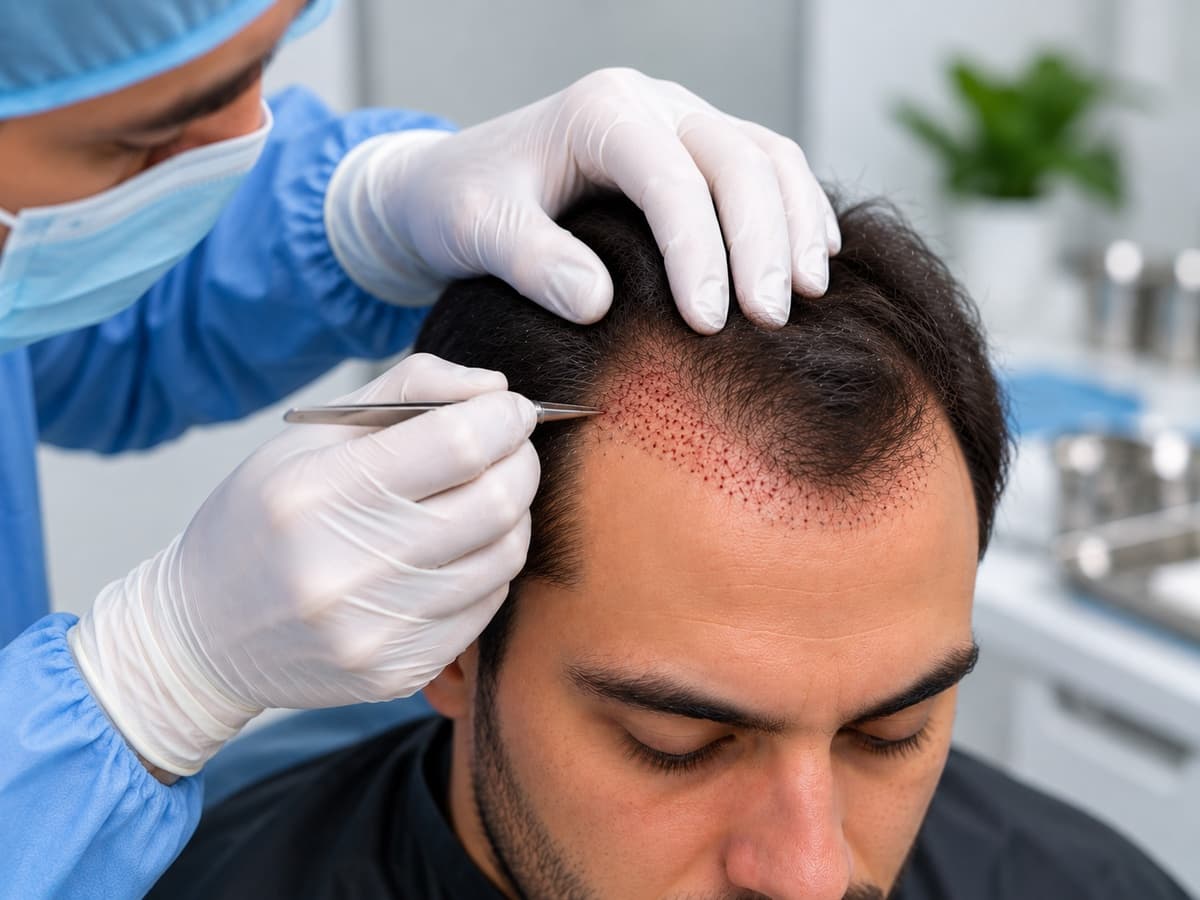
FUE Hair Transplant
Advanced Follicular Unit Extraction — individual grafts harvested from your donor area and placed where hair has thinned.
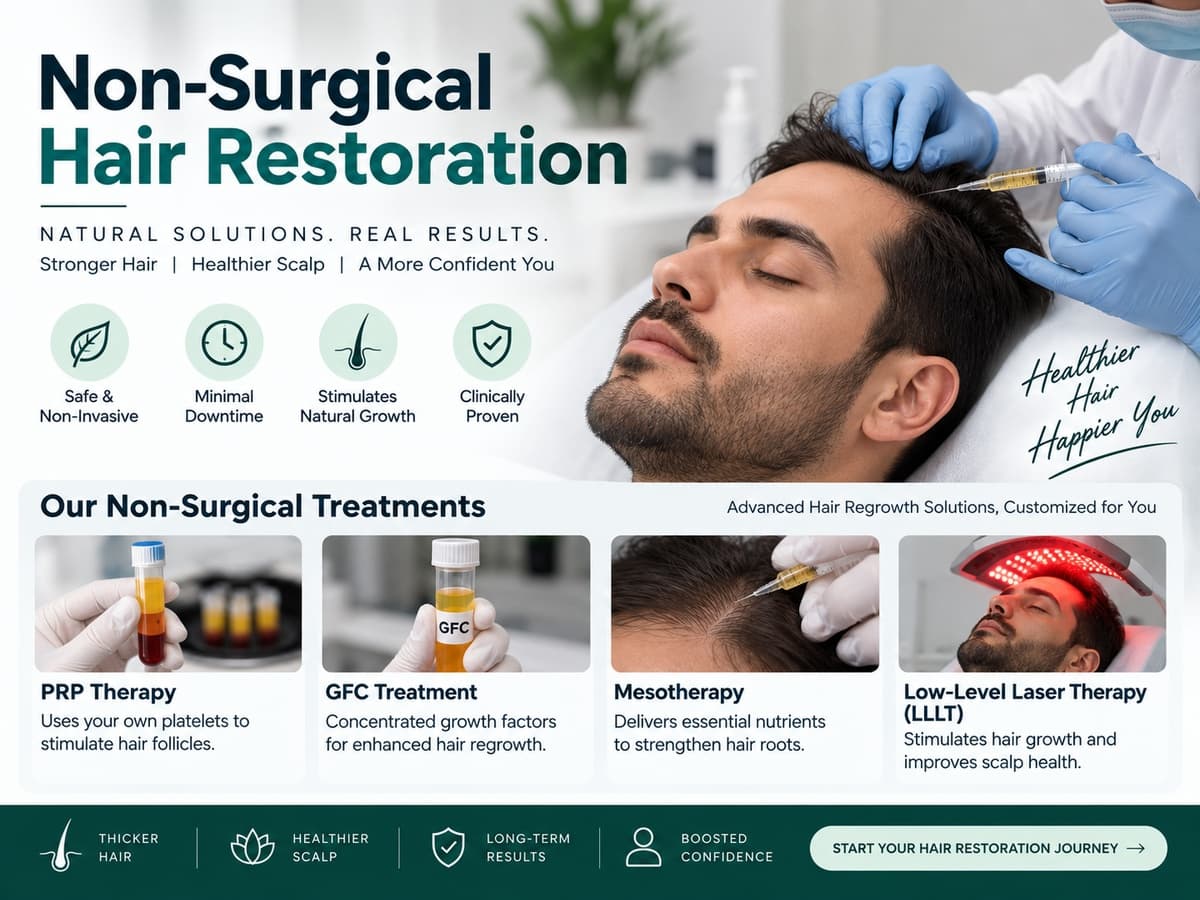
Non-Surgical Hair Restoration
Non-surgical options for thinning hair, planned around the cause and the stage of your hair loss.
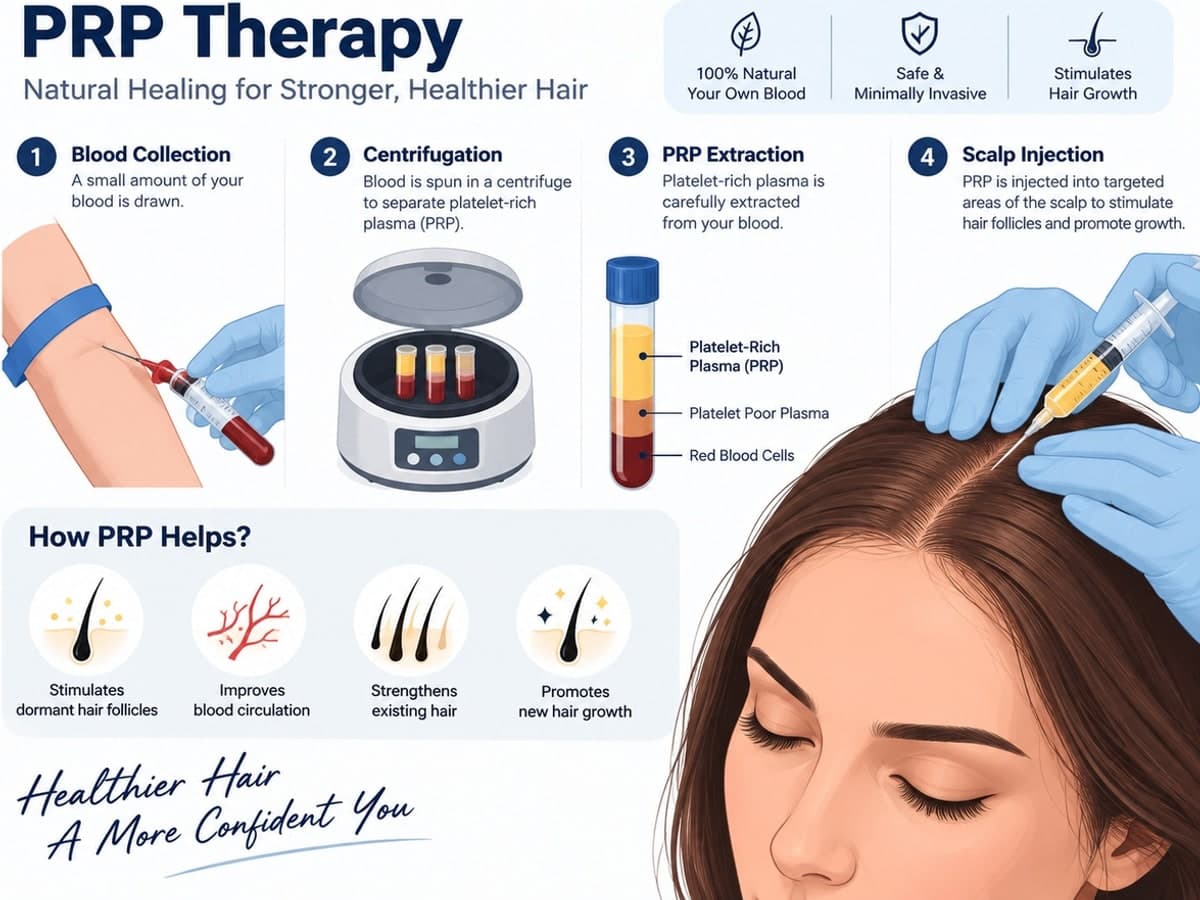
PRP Therapy
Non-surgical scalp treatment using platelet-rich plasma prepared from your own blood.