
FUT Hair Transplant
The strip technique, where donor supply is the deciding factor.
- Type
- Surgical
- Anaesthesia
- Local
- Graft requirement
- Assessed at consultation
- Donor healing
- Linear closure
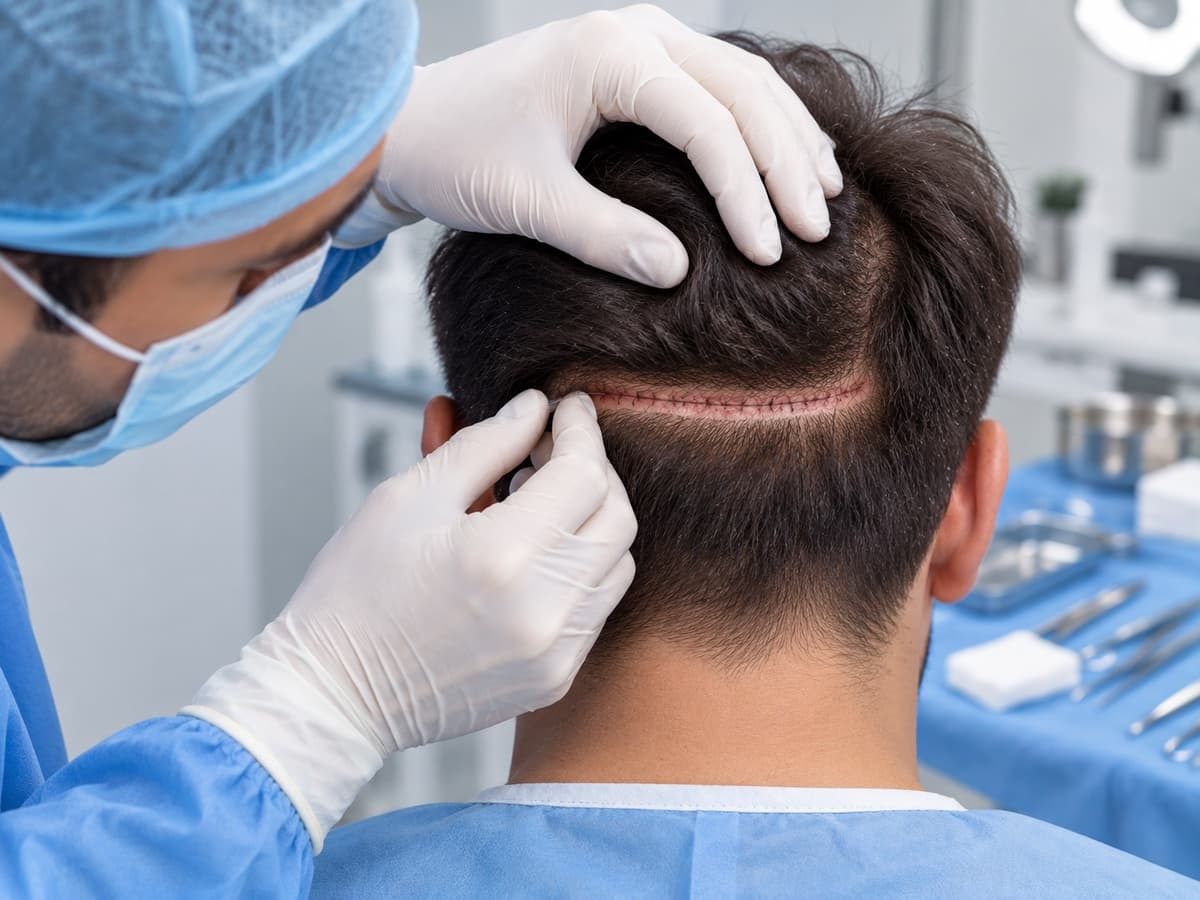
What FUT Hair Transplant actually involves
In Follicular Unit Transplantation, a strip of tissue is removed from the donor area and the follicular units within it are separated and prepared for transplantation. The donor area is then closed.
The important practical difference from FUE is the donor result: FUT leaves a linear scar along the donor area, where FUE leaves scattered points. Patients who keep their hair long enough to cover the donor line often find this a reasonable trade; patients who shave close usually do not.
Whether FUT or FUE suits you better is a question about your donor area, the coverage you want and how you wear your hair. It is decided at consultation, not in advance.
Who this is — and isn't — the right choice for
We would rather turn down an unsuitable case than sell a procedure that cannot deliver what you want.
A good fit if
- Patients whose donor characteristics suit strip harvesting
- Patients who wear their hair long enough to cover a linear donor scar
- Cases where a larger number of grafts is needed in a single session
Not the right call if
- Patients who shave or clipper their hair very short at the back
- Anyone who is not prepared to accept a linear donor scar
- Donor areas that have already been harvested to their practical limit
How the procedure runs
No stage of this is a surprise on the day — here is the full sequence.
- 01
Assessment and planning
Donor characteristics, scalp laxity and the area to be treated are assessed, and the technique is chosen with you.
- 02
Donor strip removal
A strip is removed from the donor area under local anaesthesia and the donor site is closed.
- 03
Graft preparation
The strip is divided into individual follicular units, which are sorted and prepared for implantation.
- 04
Implantation
Sites are created in the treatment area and grafts are placed following your natural growth direction.
What the period after treatment looks like
Including the stages most clinics gloss over. Exact timings vary between patients — yours are confirmed by the clinic before you go ahead.
Immediately after
The donor closure needs care. You will be given specific instructions on washing, sleeping and activity restrictions.
Donor site care
The clinic will confirm when sutures or staples are reviewed or removed, and what to avoid until then.
Shedding phase
Transplanted hairs shed before regrowth begins. This is an expected part of the process.
Regrowth
Growth returns gradually over the following months. Your expected timeline is discussed at consultation.
FUT Hair Transplant questions patients ask
How is FUT different from FUE?
They are different ways of taking hair from the donor area. FUT removes a strip and leaves a linear scar; FUE removes units individually and leaves scattered points. What is implanted, and how it grows, is the same in both.
Will the donor scar be visible?
There is a linear scar in the donor area. It is normally covered by hair worn at a moderate length, but it can be visible with very short styles.
Which one is right for me?
That is exactly what the consultation is for. It depends on your donor area, the coverage you want and how you wear your hair — not on which technique is marketed harder.
Find out if FUT Hair Transplant is right for your case
Send your details and the doctor will review your case. You get an assessment of your hair loss and a personalised treatment plan — no obligation to book.
- Reviewed by the doctor, not a call-centre agent
- A quotation for your own treatment plan, not a package price
- Honest answer if you are not a good candidate
Ask about FUT Hair Transplant
Four details, sent on WhatsApp. The doctor reviews your case. No obligation.
Often considered alongside this
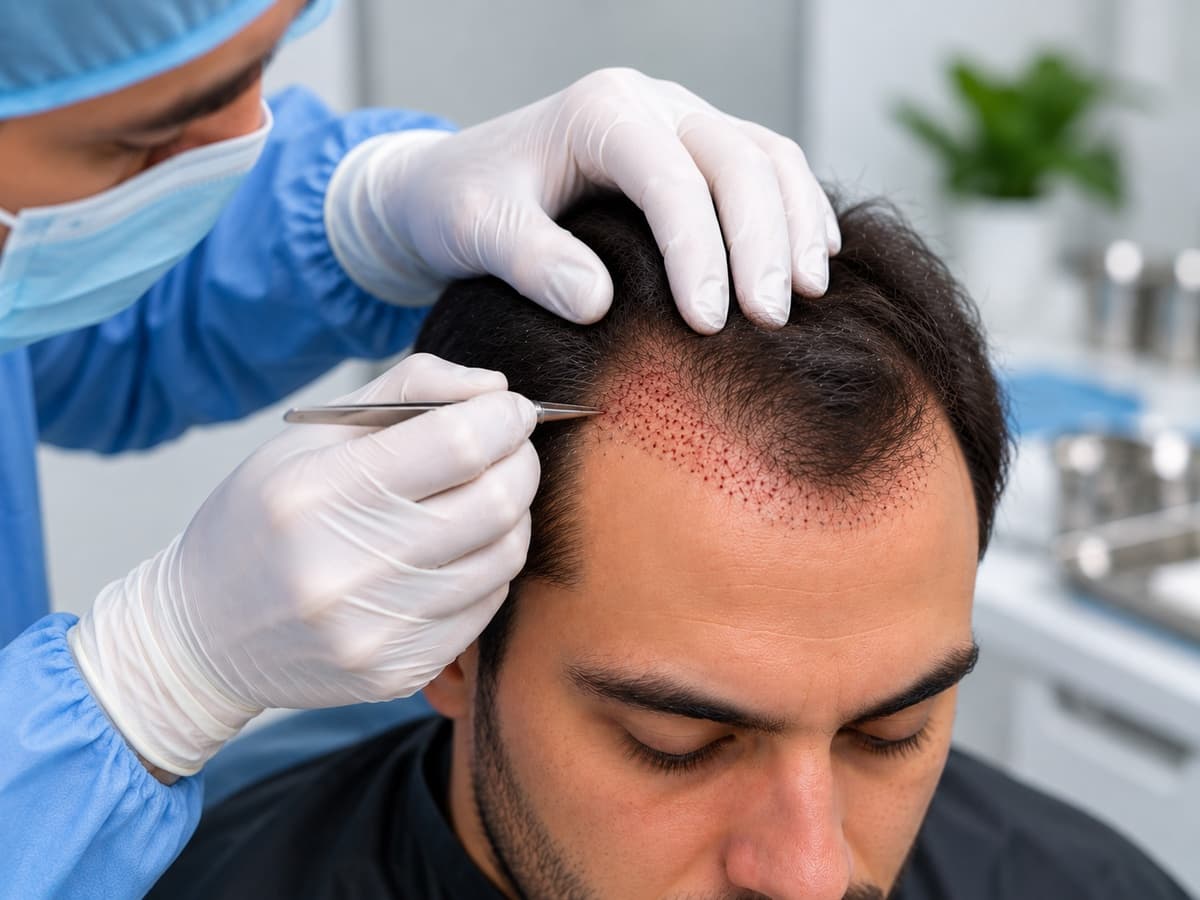
FUE Hair Transplant
Advanced Follicular Unit Extraction — individual grafts harvested from your donor area and placed where hair has thinned.
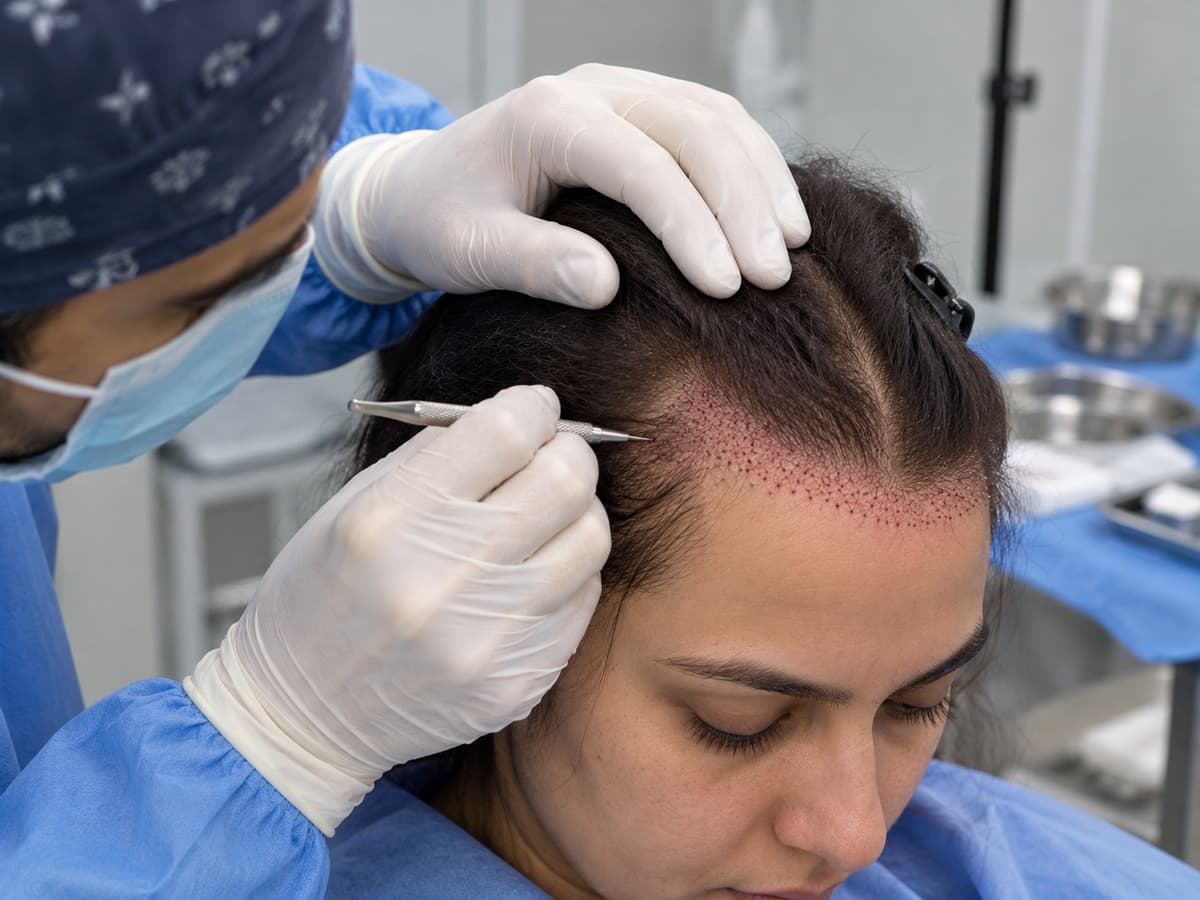
Female Hair Transplant
Hair restoration for women, planned around diffuse thinning, a widening parting or a receding hairline.
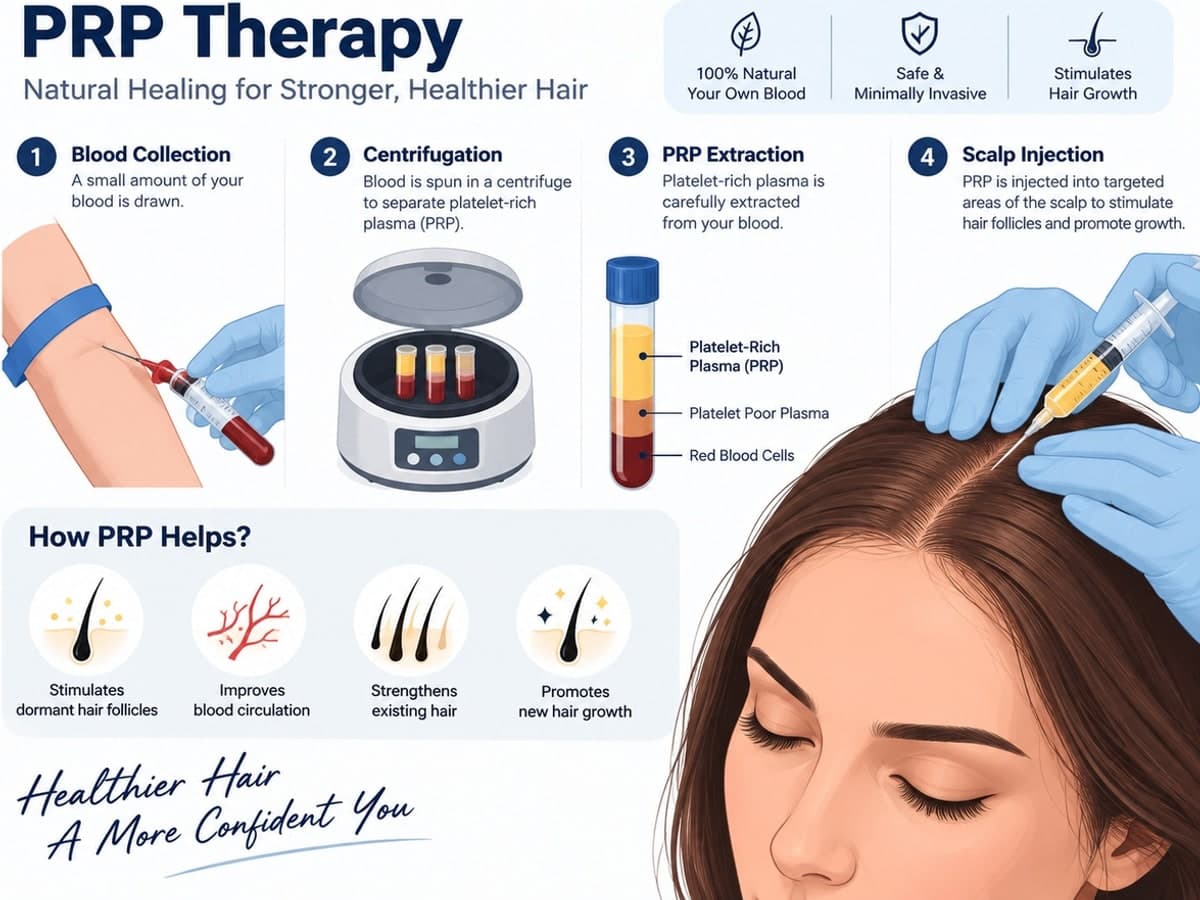
PRP Therapy
Non-surgical scalp treatment using platelet-rich plasma prepared from your own blood.